←

tectonique

Thématique

7 image(s) · 5 Actualités

Galerie d'images

A plate tectonic reconstruction of Asia in 19 images.  View centred on 0°,105°.  Made using Gplates and the following data sets:
Amante, C. and Eakins, B. W. 2009. ETOPO1 1 Arc-Minute Global Relief Model: Procedures, Data Sources and Analysis. NOAA Technical Memorandum NESDIS NGDC-24, 19.
Wright, N., S. Zahirovic, R. D. Müller, and M. Seton (2013), Towards community-driven, open-access paleogeographic reconstructions: integrating open-access paleogeographic and paleobiology data with plate tectonics, Biogeosciences, 10, 1529-1541
Intervalles Gorstian

A plate tectonic reconstruction of Asia in 19 images. View centred on 0°,105°. Made using Gplates and the following data sets: Amante, C. and Eakins, B. W. 2009. ETOPO1 1 Arc-Minute Global Relief Model: Procedures, Data Sources and Analysis. NOAA Technical Memorandum NESDIS NGDC-24, 19. Wright, N., S. Zahirovic, R. D. Müller, and M. Seton (2013), Towards community-driven, open-access paleogeographic reconstructions: integrating open-access paleogeographic and paleobiology data with plate tectonics, Biogeosciences, 10, 1529-1541

tectonique
A plate tectonic reconstruction of Asia in 19 images.  View centred on 0°,105°.  Made using Gplates and the following data sets:
Amante, C. and Eakins, B. W. 2009. ETOPO1 1 Arc-Minute Global Relief Model: Procedures, Data Sources and Analysis. NOAA Technical Memorandum NESDIS NGDC-24, 19.
Wright, N., S. Zahirovic, R. D. Müller, and M. Seton (2013), Towards community-driven, open-access paleogeographic reconstructions: integrating open-access paleogeographic and paleobiology data with plate tectonics, Biogeosciences, 10, 1529-1541
Intervalles Ludfordian

A plate tectonic reconstruction of Asia in 19 images. View centred on 0°,105°. Made using Gplates and the following data sets: Amante, C. and Eakins, B. W. 2009. ETOPO1 1 Arc-Minute Global Relief Model: Procedures, Data Sources and Analysis. NOAA Technical Memorandum NESDIS NGDC-24, 19. Wright, N., S. Zahirovic, R. D. Müller, and M. Seton (2013), Towards community-driven, open-access paleogeographic reconstructions: integrating open-access paleogeographic and paleobiology data with plate tectonics, Biogeosciences, 10, 1529-1541

tectonique
Laurasia during the closure of the Iapetus Ocean at 430 Ma.
Made using GPlates:  Citations:

Golonka, J. (2007), Late Triassic and Early Jurassic palaeogeography of the world, Palaeogeography, Palaeoclimatology, Palaeoecology, 244(1-4), 297-307.
Müller, R., M. Sdrolias, C. Gaina, and W. Roest (2008), Age, spreading rates, and spreading asymmetry of the world's ocean crust, Geochemistry, Geophysics, Geosystems, 9(Q04006), 19.
Seton, M., R. Müller, S. Zahirovic, C. Gaina, T. Torsvik, G. Shephard, A. Talsma, M. Gurnis, M. Turner, and M. Chandler (2012), Global continental and ocean basin reconstructions since 200 Ma, Earth-Science Reviews, 113(3-4), 212-270.
Torsvik, T., and R. Van de Voo (2002), Refining Gondwana and Pangea Palaeogeography: Estimates of Phanerozoic non dipole (octupole) fields, Geophysical Journal International, 151(3), 771-794.
Wright, N., S. Zahirovic, R. D. Müller, and M. Seton (2013), Towards community-driven, open-access paleogeographic reconstructions: integrating open-access paleogeographic and paleobiology data with plate tectonics, Biogeosciences, 10, 1529-1541
Intervalles Sheinwoodian

Laurasia during the closure of the Iapetus Ocean at 430 Ma. Made using GPlates: Citations: Golonka, J. (2007), Late Triassic and Early Jurassic palaeogeography of the world, Palaeogeography, Palaeoclimatology, Palaeoecology, 244(1-4), 297-307. Müller, R., M. Sdrolias, C. Gaina, and W. Roest (2008), Age, spreading rates, and spreading asymmetry of the world's ocean crust, Geochemistry, Geophysics, Geosystems, 9(Q04006), 19. Seton, M., R. Müller, S. Zahirovic, C. Gaina, T. Torsvik, G. Shephard, A. Talsma, M. Gurnis, M. Turner, and M. Chandler (2012), Global continental and ocean basin reconstructions since 200 Ma, Earth-Science Reviews, 113(3-4), 212-270. Torsvik, T., and R. Van de Voo (2002), Refining Gondwana and Pangea Palaeogeography: Estimates of Phanerozoic non dipole (octupole) fields, Geophysical Journal International, 151(3), 771-794. Wright, N., S. Zahirovic, R. D. Müller, and M. Seton (2013), Towards community-driven, open-access paleogeographic reconstructions: integrating open-access paleogeographic and paleobiology data with plate tectonics, Biogeosciences, 10, 1529-1541

Jurassique inférieur Jurassique Trias supérieur Phanérozoïque +3
Laurasia during the closure of the Iapetus Ocean at 430 Ma.
Made using GPlates:  Citations:

Golonka, J. (2007), Late Triassic and Early Jurassic palaeogeography of the world, Palaeogeography, Palaeoclimatology, Palaeoecology, 244(1-4), 297-307.
Müller, R., M. Sdrolias, C. Gaina, and W. Roest (2008), Age, spreading rates, and spreading asymmetry of the world's ocean crust, Geochemistry, Geophysics, Geosystems, 9(Q04006), 19.
Seton, M., R. Müller, S. Zahirovic, C. Gaina, T. Torsvik, G. Shephard, A. Talsma, M. Gurnis, M. Turner, and M. Chandler (2012), Global continental and ocean basin reconstructions since 200 Ma, Earth-Science Reviews, 113(3-4), 212-270.
Torsvik, T., and R. Van de Voo (2002), Refining Gondwana and Pangea Palaeogeography: Estimates of Phanerozoic non dipole (octupole) fields, Geophysical Journal International, 151(3), 771-794.
Wright, N., S. Zahirovic, R. D. Müller, and M. Seton (2013), Towards community-driven, open-access paleogeographic reconstructions: integrating open-access paleogeographic and paleobiology data with plate tectonics, Biogeosciences, 10, 1529-1541
Intervalles Homerian

Laurasia during the closure of the Iapetus Ocean at 430 Ma. Made using GPlates: Citations: Golonka, J. (2007), Late Triassic and Early Jurassic palaeogeography of the world, Palaeogeography, Palaeoclimatology, Palaeoecology, 244(1-4), 297-307. Müller, R., M. Sdrolias, C. Gaina, and W. Roest (2008), Age, spreading rates, and spreading asymmetry of the world's ocean crust, Geochemistry, Geophysics, Geosystems, 9(Q04006), 19. Seton, M., R. Müller, S. Zahirovic, C. Gaina, T. Torsvik, G. Shephard, A. Talsma, M. Gurnis, M. Turner, and M. Chandler (2012), Global continental and ocean basin reconstructions since 200 Ma, Earth-Science Reviews, 113(3-4), 212-270. Torsvik, T., and R. Van de Voo (2002), Refining Gondwana and Pangea Palaeogeography: Estimates of Phanerozoic non dipole (octupole) fields, Geophysical Journal International, 151(3), 771-794. Wright, N., S. Zahirovic, R. D. Müller, and M. Seton (2013), Towards community-driven, open-access paleogeographic reconstructions: integrating open-access paleogeographic and paleobiology data with plate tectonics, Biogeosciences, 10, 1529-1541

Jurassique inférieur Jurassique Trias supérieur Phanérozoïque +3
Plate tectonics of Earth during Early Silurian period (435 Ma)
Intervalles Telychian

Plate tectonics of Earth during Early Silurian period (435 Ma)

Silurien tectonique
A plate tectonic reconstruction of Asia in 19 images.  View centred on 0°,105°.  Made using Gplates and the following data sets:
Amante, C. and Eakins, B. W. 2009. ETOPO1 1 Arc-Minute Global Relief Model: Procedures, Data Sources and Analysis. NOAA Technical Memorandum NESDIS NGDC-24, 19.
Wright, N., S. Zahirovic, R. D. Müller, and M. Seton (2013), Towards community-driven, open-access paleogeographic reconstructions: integrating open-access paleogeographic and paleobiology data with plate tectonics, Biogeosciences, 10, 1529-1541
Intervalles Tournaisian

A plate tectonic reconstruction of Asia in 19 images. View centred on 0°,105°. Made using Gplates and the following data sets: Amante, C. and Eakins, B. W. 2009. ETOPO1 1 Arc-Minute Global Relief Model: Procedures, Data Sources and Analysis. NOAA Technical Memorandum NESDIS NGDC-24, 19. Wright, N., S. Zahirovic, R. D. Müller, and M. Seton (2013), Towards community-driven, open-access paleogeographic reconstructions: integrating open-access paleogeographic and paleobiology data with plate tectonics, Biogeosciences, 10, 1529-1541

tectonique
plate tectonics 380 Ma ago (Midlle Devonian)
Intervalles Frasnian

plate tectonics 380 Ma ago (Midlle Devonian)

Dévonien tectonique
A plate tectonic reconstruction of Asia in 19 images.  View centred on 0°,105°.  Made using Gplates and the following data sets:
Amante, C. and Eakins, B. W. 2009. ETOPO1 1 Arc-Minute Global Relief Model: Procedures, Data Sources and Analysis. NOAA Technical Memorandum NESDIS NGDC-24, 19.
Wright, N., S. Zahirovic, R. D. Müller, and M. Seton (2013), Towards community-driven, open-access paleogeographic reconstructions: integrating open-access paleogeographic and paleobiology data with plate tectonics, Biogeosciences, 10, 1529-1541
Intervalles Katian

A plate tectonic reconstruction of Asia in 19 images. View centred on 0°,105°. Made using Gplates and the following data sets: Amante, C. and Eakins, B. W. 2009. ETOPO1 1 Arc-Minute Global Relief Model: Procedures, Data Sources and Analysis. NOAA Technical Memorandum NESDIS NGDC-24, 19. Wright, N., S. Zahirovic, R. D. Müller, and M. Seton (2013), Towards community-driven, open-access paleogeographic reconstructions: integrating open-access paleogeographic and paleobiology data with plate tectonics, Biogeosciences, 10, 1529-1541

tectonique
Formation d'âge Kimmeridgien (jaune orangé) et Tithonien (Barre tithonique, en gris sur la photo). On peut remarquer que les strates ont été plissées. L'âge des mouvements tectoniques ayant déformé la structure est donc plus jeune que le Tithonien.

Formation d'âge Kimmeridgien (jaune orangé) et Tithonien (Barre tithonique, en gris sur la photo). On peut remarquer que les strates ont été plissées. L'âge des mouvements tectoniques ayant déformé la structure est donc plus jeune que le Tithonien.

Tithonien formation tectonique

Actualités

Notre planète est moins stable qu'on ne le pensait : une découverte sur les pôles au temps des dinosaures a surpris les chercheurs
Dinosauria découverte tectonique
Les pôles géographiques de la Terre ont connu des périodes il y a quelques millions d'années, durant lesquelles ils se déplaçaient extrêmement vite. Plus vite même que les plaques tectoniques, ce qui n'a pas été sans conséquence.
16/10/2026 futura-terre
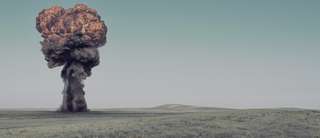
Les essais nucléaires en Corée du Nord auraient durablement modifié des forces dans la croûte et réactivé des failles !
Corée du Nord tectonique
Depuis quelques années, le sol tremble anormalement en Corée du Nord, tout particulièrement autour du mont Mantap, une région pourtant considérée comme peu sismique. Si les séismes observés semblent bien être d’origine tectonique, les chercheurs pensent que le déclencheur de cette activité...
17/09/2026 futura-terre
Voici ce que révèlent les observations satellites sur le mouvement inattendu de la péninsule ibérique
découverte géologie tectonique
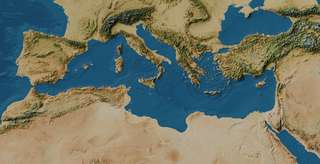
Lentement, le paysage méditerranéen évolue, sous l’action des forces tectoniques. La péninsule ibérique révèle ainsi aujourd’hui un mouvement inattendu : elle tourne… mais plus dans le même sens qu’autrefois ! Une découverte qui éclaire sur le risque sismique de la région.
08/08/2026 futura-terre
L’Afrique est-elle en train de se découper en plusieurs morceaux ? Les géologues voient un signal troublant dans une autre région
Zambie découverte tectonique
Alors que le rift est-africain découpe déjà lentement le continent, des indices géochimiques détectés en Zambie suggèrent qu’une autre fracture tectonique pourrait être en train de se réveiller. Une découverte qui éclaire les mécanismes profonds de la fragmentation des continents.
13/05/2026 futura-terre
Un monde amazonien perdu vient de réapparaître en Bolivie
Bolivie fouille tectonique
Les chercheurs explorant les Grands Lacs tectoniques de Bolivie ont découvert un paysage transformé au fil des siècles par une ingénierie sophistiquée et diverses traditions agricoles. Les fouilles montrent comment les sociétés autochtones se sont adaptées aux zones humides dynamiques grâce à des champs surélevés, des canaux et des moyens de subsistance mixtes. Les communautés locales d’aujourd’hui préservent cette continuité bioculturelle, guidant la recherche et la conservation.
01/12/2025 sciencedaily-human-evo ⚙ Traduction automatique