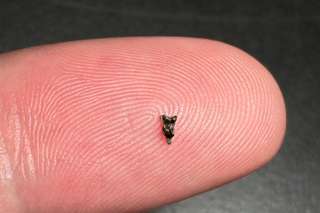
fossile

Nature du spécimen

183 image(s) · 112 Actualités

Galerie d'images

Fragmentary fossils of various tylosaurines MCM.M0009 (A ; Taniwhasaurus 'mikasaensis'), SAM-PK-5265 (B ; Taniwhasaurus 'capensis') and MNHN 1896-15 (C ; Tylosaurus gaudryi).

Fragmentary fossils of various tylosaurines MCM.M0009 (A ; Taniwhasaurus 'mikasaensis'), SAM-PK-5265 (B ; Taniwhasaurus 'capensis') and MNHN 1896-15 (C ; Tylosaurus gaudryi).

fossile Hainosaurus Taniwhasaurus Tylosaurus
Life restoration of the mosasaurine mosasaurid Eremiasaurus, with unknown portions and soft tissues based primarily on Prognathodon and supplemented with Mosasaurus where needed.
References
Leblanc, A.R.H.; Caldwell, M.W.; Bardet, N. (2012). "A new mosasaurine from the Maastrichtian (Upper Cretaceous) phosphates of Morocco and its implications for mosasaurine systematics". Journal of Vertebrate Paleontology 32 (1): 82–104.
Lindgren, J.; Kaddumi, H.; Polcyn, M. (2013). "Soft tissue preservation in a fossil marine lizard with a bilobed tail fin". Nature Communications 4: 2423. DOI:10.1038/ncomms3423.
Konishi, T.; Brinkman, D.; Massare, J.A.; Caldwell, M.W. (2011). "New exceptional specimens of Prognathodon overtoni (Squamata, Mosasauridae) from the upper Campanian of Alberta, Canada, and the systematics and ecology of the genus". Journal of Vertebrate Paleontology 31 (5): 1026–1046.
Russell, D.A. (1967). "Systematics and morphology of American mosasaurs". Bulletin of the Peabody Museum of Natural History 23: 1–241.
Taxons Eremiasaurus

Life restoration of the mosasaurine mosasaurid Eremiasaurus, with unknown portions and soft tissues based primarily on Prognathodon and supplemented with Mosasaurus where needed. References Leblanc, A.R.H.; Caldwell, M.W.; Bardet, N. (2012). "A new mosasaurine from the Maastrichtian (Upper Cretaceous) phosphates of Morocco and its implications for mosasaurine systematics". Journal of Vertebrate Paleontology 32 (1): 82–104. Lindgren, J.; Kaddumi, H.; Polcyn, M. (2013). "Soft tissue preservation in a fossil marine lizard with a bilobed tail fin". Nature Communications 4: 2423. DOI:10.1038/ncomms3423. Konishi, T.; Brinkman, D.; Massare, J.A.; Caldwell, M.W. (2011). "New exceptional specimens of Prognathodon overtoni (Squamata, Mosasauridae) from the upper Campanian of Alberta, Canada, and the systematics and ecology of the genus". Journal of Vertebrate Paleontology 31 (5): 1026–1046. Russell, D.A. (1967). "Systematics and morphology of American mosasaurs". Bulletin of the Peabody Museum of Natural History 23: 1–241.

tissus écologie musée Canada +11
Fossil of Carinodens, an extinct mosasaur- Took the photo at Natural History Museum of Maastricht
Taxons Carinodens

Fossil of Carinodens, an extinct mosasaur- Took the photo at Natural History Museum of Maastricht

musée fossile Carinodens
Restoration of Ambopteryx longibrachium based on known fossil elements
Taxons Alnashetri

Restoration of Ambopteryx longibrachium based on known fossil elements

fossile Alnashetri Ambopteryx
A hypothetical life restoration of Ampelosaurus atacis

• Ampelosaurus is known from hundreds of fossil specimens which show most of the dinosaur's osteological details, however, there are few articulated remains or reconstructions of the material so its overall proportions and life appearance are uncertain.
• Ampelosaurus is known to have supported osteoderms, only four are currently known. The number of these osteoderms that an individual Ampelosaurus would have supported in life and their and position on the body is not currently known. It's thought that due to the rarity of titanosaur osteoderms that they would be quite sparse on the body. The position and layout of the osteoderms has been loosely based on this interpretation, which is based on the work of Vidal et al 2015. [1]
Taxons Bagualosaurus

A hypothetical life restoration of Ampelosaurus atacis • Ampelosaurus is known from hundreds of fossil specimens which show most of the dinosaur's osteological details, however, there are few articulated remains or reconstructions of the material so its overall proportions and life appearance are uncertain. • Ampelosaurus is known to have supported osteoderms, only four are currently known. The number of these osteoderms that an individual Ampelosaurus would have supported in life and their and position on the body is not currently known. It's thought that due to the rarity of titanosaur osteoderms that they would be quite sparse on the body. The position and layout of the osteoderms has been loosely based on this interpretation, which is based on the work of Vidal et al 2015. [1]

fossile spécimen Ampelosaurus Bagualosauria +6
A hypothetical life restoration of Ampelosaurus atacis

• Ampelosaurus is known from hundreds of fossil specimens which show most of the dinosaur's osteological details, however, there are few articulated remains or reconstructions of the material so its overall proportions and life appearance are uncertain.
• Ampelosaurus is known to have supported osteoderms, only four are currently known. The number of these osteoderms that an individual Ampelosaurus would have supported in life and their and position on the body is not currently known. It's thought that due to the rarity of titanosaur osteoderms that they would be quite sparse on the body. The position and layout of the osteoderms has been loosely based on this interpretation, which is based on the work of Vidal et al 2015. [1]
Taxons Camelotia

A hypothetical life restoration of Ampelosaurus atacis • Ampelosaurus is known from hundreds of fossil specimens which show most of the dinosaur's osteological details, however, there are few articulated remains or reconstructions of the material so its overall proportions and life appearance are uncertain. • Ampelosaurus is known to have supported osteoderms, only four are currently known. The number of these osteoderms that an individual Ampelosaurus would have supported in life and their and position on the body is not currently known. It's thought that due to the rarity of titanosaur osteoderms that they would be quite sparse on the body. The position and layout of the osteoderms has been loosely based on this interpretation, which is based on the work of Vidal et al 2015. [1]

fossile spécimen Ampelosaurus Bagualosauria +6
A hypothetical life restoration of Ampelosaurus atacis

• Ampelosaurus is known from hundreds of fossil specimens which show most of the dinosaur's osteological details, however, there are few articulated remains or reconstructions of the material so its overall proportions and life appearance are uncertain.
• Ampelosaurus is known to have supported osteoderms, only four are currently known. The number of these osteoderms that an individual Ampelosaurus would have supported in life and their and position on the body is not currently known. It's thought that due to the rarity of titanosaur osteoderms that they would be quite sparse on the body. The position and layout of the osteoderms has been loosely based on this interpretation, which is based on the work of Vidal et al 2015. [1]
Taxons Chromogisaurus

A hypothetical life restoration of Ampelosaurus atacis • Ampelosaurus is known from hundreds of fossil specimens which show most of the dinosaur's osteological details, however, there are few articulated remains or reconstructions of the material so its overall proportions and life appearance are uncertain. • Ampelosaurus is known to have supported osteoderms, only four are currently known. The number of these osteoderms that an individual Ampelosaurus would have supported in life and their and position on the body is not currently known. It's thought that due to the rarity of titanosaur osteoderms that they would be quite sparse on the body. The position and layout of the osteoderms has been loosely based on this interpretation, which is based on the work of Vidal et al 2015. [1]

fossile spécimen Ampelosaurus Bagualosauria +6
A hypothetical life restoration of Ampelosaurus atacis

• Ampelosaurus is known from hundreds of fossil specimens which show most of the dinosaur's osteological details, however, there are few articulated remains or reconstructions of the material so its overall proportions and life appearance are uncertain.
• Ampelosaurus is known to have supported osteoderms, only four are currently known. The number of these osteoderms that an individual Ampelosaurus would have supported in life and their and position on the body is not currently known. It's thought that due to the rarity of titanosaur osteoderms that they would be quite sparse on the body. The position and layout of the osteoderms has been loosely based on this interpretation, which is based on the work of Vidal et al 2015. [1]
Taxons Dashanpusaurus

A hypothetical life restoration of Ampelosaurus atacis • Ampelosaurus is known from hundreds of fossil specimens which show most of the dinosaur's osteological details, however, there are few articulated remains or reconstructions of the material so its overall proportions and life appearance are uncertain. • Ampelosaurus is known to have supported osteoderms, only four are currently known. The number of these osteoderms that an individual Ampelosaurus would have supported in life and their and position on the body is not currently known. It's thought that due to the rarity of titanosaur osteoderms that they would be quite sparse on the body. The position and layout of the osteoderms has been loosely based on this interpretation, which is based on the work of Vidal et al 2015. [1]

fossile spécimen Ampelosaurus Bagualosauria +6
A hypothetical life restoration of Ampelosaurus atacis

• Ampelosaurus is known from hundreds of fossil specimens which show most of the dinosaur's osteological details, however, there are few articulated remains or reconstructions of the material so its overall proportions and life appearance are uncertain.
• Ampelosaurus is known to have supported osteoderms, only four are currently known. The number of these osteoderms that an individual Ampelosaurus would have supported in life and their and position on the body is not currently known. It's thought that due to the rarity of titanosaur osteoderms that they would be quite sparse on the body. The position and layout of the osteoderms has been loosely based on this interpretation, which is based on the work of Vidal et al 2015. [1]
Taxons Demandasaurus

A hypothetical life restoration of Ampelosaurus atacis • Ampelosaurus is known from hundreds of fossil specimens which show most of the dinosaur's osteological details, however, there are few articulated remains or reconstructions of the material so its overall proportions and life appearance are uncertain. • Ampelosaurus is known to have supported osteoderms, only four are currently known. The number of these osteoderms that an individual Ampelosaurus would have supported in life and their and position on the body is not currently known. It's thought that due to the rarity of titanosaur osteoderms that they would be quite sparse on the body. The position and layout of the osteoderms has been loosely based on this interpretation, which is based on the work of Vidal et al 2015. [1]

fossile spécimen Ampelosaurus Bagualosauria +6
Lower Triassic fossil footprint (ichnite) of the ichnogenus Chirotherium, probably caused by an early archosaur, and first discovered 1833 in Hildburghausen (Thuringia, Germany). This specimen, however, ist from the Helsby Sandstone of the Storeton Quarry near Liverpool. Its species name is Chirotherium storetonense.[1]
Taxons Abelichnus

Lower Triassic fossil footprint (ichnite) of the ichnogenus Chirotherium, probably caused by an early archosaur, and first discovered 1833 in Hildburghausen (Thuringia, Germany). This specimen, however, ist from the Helsby Sandstone of the Storeton Quarry near Liverpool. Its species name is Chirotherium storetonense.[1]

Allemagne Trias fossile spécimen +9
Lower Triassic fossil footprint (ichnite) of the ichnogenus Chirotherium, probably caused by an early archosaur, and first discovered 1833 in Hildburghausen (Thuringia, Germany). This specimen, however, ist from the Helsby Sandstone of the Storeton Quarry near Liverpool. Its species name is Chirotherium storetonense.[1]
Taxons Anticheiropus

Lower Triassic fossil footprint (ichnite) of the ichnogenus Chirotherium, probably caused by an early archosaur, and first discovered 1833 in Hildburghausen (Thuringia, Germany). This specimen, however, ist from the Helsby Sandstone of the Storeton Quarry near Liverpool. Its species name is Chirotherium storetonense.[1]

Allemagne Trias fossile spécimen +9
Lower Triassic fossil footprint (ichnite) of the ichnogenus Chirotherium, probably caused by an early archosaur, and first discovered 1833 in Hildburghausen (Thuringia, Germany). This specimen, however, ist from the Helsby Sandstone of the Storeton Quarry near Liverpool. Its species name is Chirotherium storetonense.[1]
Taxons Argoides

Lower Triassic fossil footprint (ichnite) of the ichnogenus Chirotherium, probably caused by an early archosaur, and first discovered 1833 in Hildburghausen (Thuringia, Germany). This specimen, however, ist from the Helsby Sandstone of the Storeton Quarry near Liverpool. Its species name is Chirotherium storetonense.[1]

Allemagne Trias fossile spécimen +9
Lower Triassic fossil footprint (ichnite) of the ichnogenus Chirotherium, probably caused by an early archosaur, and first discovered 1833 in Hildburghausen (Thuringia, Germany). This specimen, however, ist from the Helsby Sandstone of the Storeton Quarry near Liverpool. Its species name is Chirotherium storetonense.[1]
Taxons Atreipus

Lower Triassic fossil footprint (ichnite) of the ichnogenus Chirotherium, probably caused by an early archosaur, and first discovered 1833 in Hildburghausen (Thuringia, Germany). This specimen, however, ist from the Helsby Sandstone of the Storeton Quarry near Liverpool. Its species name is Chirotherium storetonense.[1]

Allemagne Trias fossile spécimen +9
Lower Triassic fossil footprint (ichnite) of the ichnogenus Chirotherium, probably caused by an early archosaur, and first discovered 1833 in Hildburghausen (Thuringia, Germany). This specimen, however, ist from the Helsby Sandstone of the Storeton Quarry near Liverpool. Its species name is Chirotherium storetonense.[1]
Taxons Delatorrichnus

Lower Triassic fossil footprint (ichnite) of the ichnogenus Chirotherium, probably caused by an early archosaur, and first discovered 1833 in Hildburghausen (Thuringia, Germany). This specimen, however, ist from the Helsby Sandstone of the Storeton Quarry near Liverpool. Its species name is Chirotherium storetonense.[1]

Allemagne Trias fossile spécimen +9
Lower Triassic fossil footprint (ichnite) of the ichnogenus Chirotherium, probably caused by an early archosaur, and first discovered 1833 in Hildburghausen (Thuringia, Germany). This specimen, however, ist from the Helsby Sandstone of the Storeton Quarry near Liverpool. Its species name is Chirotherium storetonense.[1]
Taxons Dinehichnus

Lower Triassic fossil footprint (ichnite) of the ichnogenus Chirotherium, probably caused by an early archosaur, and first discovered 1833 in Hildburghausen (Thuringia, Germany). This specimen, however, ist from the Helsby Sandstone of the Storeton Quarry near Liverpool. Its species name is Chirotherium storetonense.[1]

Allemagne Trias fossile spécimen +9
Lower Triassic fossil footprint (ichnite) of the ichnogenus Chirotherium, probably caused by an early archosaur, and first discovered 1833 in Hildburghausen (Thuringia, Germany). This specimen, however, ist from the Helsby Sandstone of the Storeton Quarry near Liverpool. Its species name is Chirotherium storetonense.[1]
Taxons Dromaeosauripus

Lower Triassic fossil footprint (ichnite) of the ichnogenus Chirotherium, probably caused by an early archosaur, and first discovered 1833 in Hildburghausen (Thuringia, Germany). This specimen, however, ist from the Helsby Sandstone of the Storeton Quarry near Liverpool. Its species name is Chirotherium storetonense.[1]

Allemagne Trias fossile spécimen +9
1 2 3 4 5 6 7 8 9 10 11 12

Actualités

Un visage fossile vieux de 1,5 million d’années oblige à repenser les origines humaines
dent migration Éthiopie fossile découverte origine humaine
Des scientifiques ont reconstruit numériquement le visage d'un fossile d'Homo erectus vieux de 1,5 million d'années provenant d'Éthiopie, révélant ainsi une apparence étonnamment primitive. Bien que son boîtier crânien corresponde à celui de l'Homo erectus classique, le visage et les dents ressemblent à des ancêtres humains beaucoup plus anciens. Cette découverte remet en question les idées reçues de longue date sur le lieu et la manière dont Homo erectus a évolué. Cela fait également allusion à un réseau complexe de migrations et à un possible mélange entre les premières espèces humaines.
16/12/2025 sciencedaily ⚙ Traduction automatique
De nouveaux fossiles au Qatar révèlent une petite vache marine cachée depuis 21 millions d'années
os Qatar fossile
Des fossiles du Qatar ont révélé une petite espèce de vache marine nouvellement identifiée qui vivait dans le golfe Persique il y a plus de 20 millions d'années. Le site contient la collection la plus dense connue d’os fossiles de vaches marines, démontrant que ces animaux prospéraient autrefois dans de riches prairies d’herbiers marins. Leur rôle écologique reflète celui des dugongs modernes, qui remodèlent encore les fonds marins du Golfe en broutant. Les résultats pourraient aider les chercheurs à comprendre comment les écosystèmes d’herbiers marins réagissent aux changements environnementaux à long terme.
12/12/2025 sciencedaily ⚙ Traduction automatique
Des analyses du cerveau fossile montrent que les ptérosaures ont évolué en un éclair
vol fossile Pterosauria oiseau découverte évolution
Les anciens ptérosaures ont peut-être pris leur envol bien plus tôt et de manière plus explosive que les oiseaux, développant le vol dès leur origine malgré leur cerveau relativement petit. Grâce à l'imagerie CT avancée, les scientifiques ont reconstruit les cavités cérébrales de fossiles de ptérosaures et de leurs proches parents, découvrant des indices surprenants, tels que des lobes optiques élargis, qui suggèrent un saut rapide vers le vol motorisé. Leurs découvertes contrastent fortement avec l'évolution lente et par étapes observée chez les oiseaux, dont le cerveau s'est développé au fil du temps.
09/12/2025 sciencedaily ⚙ Traduction automatique
Cet os rare résout enfin le mystère du Nanotyrannus
os croissance musée fossile spécimen Nanotyrannus Tyrannosaurus découverte
Les scientifiques ont confirmé que Nanotyrannus était une espèce mature et non un jeune T. rex. Un examen microscopique de son os hyoïde a fourni la preuve clé, correspondant aux signaux de croissance observés dans les spécimens connus de T. rex. Cette découverte suggère un écosystème de tyrannosaures plus riche et plus compétitif qu’on ne le pensait auparavant. Il montre également comment les fossiles de musée et les analyses de pointe peuvent réécrire l’histoire préhistorique.
09/12/2025 sciencedaily ⚙ Traduction automatique
Un ancien crocodile égyptien au long museau réécrit l’évolution
chasse prédateur Égypte fossile spécimen découverte évolution
Un parent de crocodile nouvellement identifié en Égypte repousse les origines des dyrosauridés chasseurs marins de plusieurs millions d'années. Le fossile, Wadisuchus kassabi, présente un mélange de traits primitifs et avancés qui marquent une transition évolutive clé. Des spécimens rares d’âges différents révèlent comment ces anciens prédateurs se sont développés. Cette découverte renforce l’Afrique en tant que centre de l’évolution précoce des dyrosauridés.
01/12/2025 sciencedaily ⚙ Traduction automatique
1 2 3 4 5 6 7 8 9 10 11 12 13 14 15 16 17 18 19 20 21 22 23