Miocene

Geological interval

5 image(s) · 4 News

View page

Image gallery

Glyptostrobus europaeus fossil leaves of Burdigalian stage in the early Miocene epoch, from a brown coal mine in Bilina, Czech Republic.

Glyptostrobus europaeus fossil leaves of Burdigalian stage in the early Miocene epoch, from a brown coal mine in Bilina, Czech Republic.

Czech Republic Burdigalian Miocene fossil
Ficus truncata fossil leaf from the early Miocene epoch 20 Ma, of the Třetihorní flóra from Bílina, Czech Republic.

Ficus truncata fossil leaf from the early Miocene epoch 20 Ma, of the Třetihorní flóra from Bílina, Czech Republic.

Czech Republic Miocene fossil
Comptonia acutiloba fossil leaves from the early Miocene epoch 20 Ma, of the Třetihorní flóra from Bílina, Czech Republic.

Comptonia acutiloba fossil leaves from the early Miocene epoch 20 Ma, of the Třetihorní flóra from Bílina, Czech Republic.

Czech Republic Miocene fossil
Berberis berberidifolia fossil leaf of Burdigalian stage in the early Miocene epoch, from a brown coal mine in Bilina, Czech Republic.
Intervals Burdigalian

Berberis berberidifolia fossil leaf of Burdigalian stage in the early Miocene epoch, from a brown coal mine in Bilina, Czech Republic.

Czech Republic Burdigalian Miocene fossil
Heigth 0.9 cm; Aquitanian, Miocene; St. Martin d'Oney, France; Shell of own collection, therefore not geocoded.

Heigth 0.9 cm; Aquitanian, Miocene; St. Martin d'Oney, France; Shell of own collection, therefore not geocoded.

France Aquitanian Miocene

News

This 23-foot crocodylian may have ruled South America’s food chain
hunting predator prey Miocene fossil mammals
Miocene South America was packed with giant prey—and the predators hunting them were just as spectacular. Fossil bite marks suggest crocodylians, especially the enormous Purussaurus neivensis, were more important predators than mammals in this ancient tropical ecosystem. At around seven meters long, Purussaurus may even have helped control populations of giant herbivores.
19/08/2026 sciencedaily-paleo
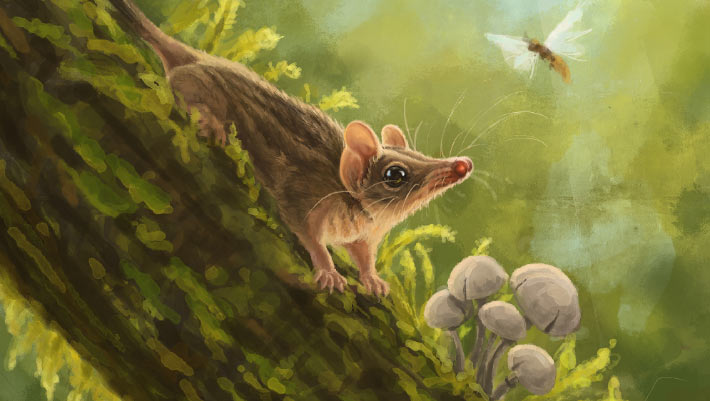
Early Miocene Fossil Rewrites Family Tree of Little Carnivorous Marsupials
Australia Miocene fossil new species
Paleontologists at the University of New South Wales have described a new genus and species of dasyurid marsupial from the Early Miocene of Australia, offering the first solid evidence that the family Dasyuridae -- which today includes quolls, Tasmanian devils and tiny antechinuses -- existed long before scientists had proof of it in the fossil record. The post Early Miocene Fossil Rewrites Family Tree of Little Carnivorous Marsupials appeared first on Sci.News: Breaking Science News.
24/07/2026 sci-news
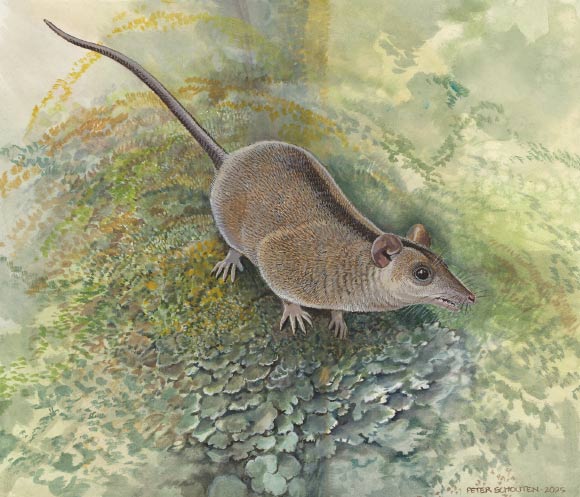
New Marsupial Lineage Emerges from Australian Fossils
Australia Miocene fossil insect mammals new species
Paleontologists have described a new genus and three new species of small, insect-eating marsupials from the Early Miocene deposits of the Riversleigh World Heritage Area in northwestern Queensland, one of Australia’s richest fossil sites. The post New Marsupial Lineage Emerges from Australian Fossils appeared first on Sci.News: Breaking Science News.
15/06/2026 sci-news
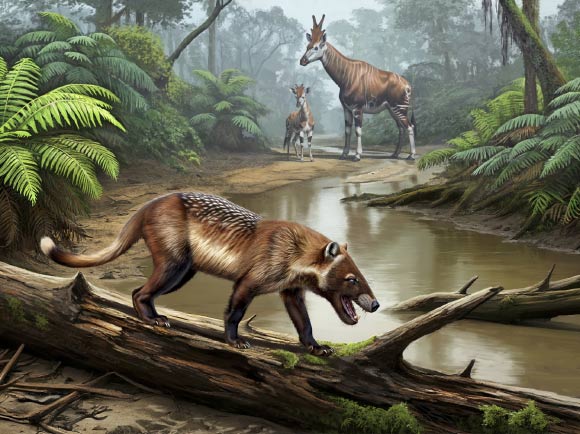
Paleontologists Identify New Hyaenodont Species in Pakistan
Pakistan Miocene mammals
Paleontologists have recovered the fossilized remains of three hyaenodont species, including one previously unknown to science, from Miocene sediments in Pakistan. The post Paleontologists Identify New Hyaenodont Species in Pakistan appeared first on Sci.News: Breaking Science News.
29/05/2026 sci-news