fossile

Nature du spécimen

371 image(s) · 183 Actualités

Galerie d'images

Permineralized Jurassic fern rhizome from Korsaröd (Sweden) of Osmundastrum pulchellum. It has preserved Nuclei and Chromosomes, a fine subcellular detail has rarely been documented in fossils. It´s Rooted in DNA content was used to extrapolate relative genome, finding relationships with extant Osmundastrum cinnamomeum, and confirmed a monophyletic Osmunda. Osmundastrum pulchellum is one of the earliest fossil Osmundastrum rhizomes known so far, and the first of its kind from the Mesozoic of Europe. Its impressive preservation has lead to know even the biotic interactions with the Plant. It also has recovered the only know case know to preserve the ongoing mitosis processes in plant cells via calcification from volcanic hydrothermal brine.

Permineralized Jurassic fern rhizome from Korsaröd (Sweden) of Osmundastrum pulchellum. It has preserved Nuclei and Chromosomes, a fine subcellular detail has rarely been documented in fossils. It´s Rooted in DNA content was used to extrapolate relative genome, finding relationships with extant Osmundastrum cinnamomeum, and confirmed a monophyletic Osmunda. Osmundastrum pulchellum is one of the earliest fossil Osmundastrum rhizomes known so far, and the first of its kind from the Mesozoic of Europe. Its impressive preservation has lead to know even the biotic interactions with the Plant. It also has recovered the only know case know to preserve the ongoing mitosis processes in plant cells via calcification from volcanic hydrothermal brine.

ADN Suède Jurassique Mésozoïque +1
Reprodução a partir da gravura original do Holótipo, Hybodus acutus Agassiz, 1837, na publicação e prancha: L. Agassiz. 1837. Recherches sur les poissons fossiles Vol.3 (Atlas); Tab 10

Reprodução a partir da gravura original do Holótipo, Hybodus acutus Agassiz, 1837, na publicação e prancha: L. Agassiz. 1837. Recherches sur les poissons fossiles Vol.3 (Atlas); Tab 10

fossile poisson
Graph of relative Dinosaur fossil populations from each period of geologic time in the Mesozoic, ordered by major clade

Graph of relative Dinosaur fossil populations from each period of geologic time in the Mesozoic, ordered by major clade

Mésozoïque fossile Dinosauria
Fossil of the Decapod Cycleryon

Fossil of the Decapod Cycleryon

fossile
Fig 2. Geological section of the “Mittlerer Kimmeridge”.
This figure is based on Fischer and modified from Lallensack et al. Beds yielding terrestrial fossils are listed.

Fig 2. Geological section of the “Mittlerer Kimmeridge”. This figure is based on Fischer and modified from Lallensack et al. Beds yielding terrestrial fossils are listed.

fossile
Fossil shell of Aulacostephanus yo from France, on display at Gallery of Paleontology and Comparative Anatomy, Paris.
Intervalles Kimmeridgian

Fossil shell of Aulacostephanus yo from France, on display at Gallery of Paleontology and Comparative Anatomy, Paris.

France fossile anatomie
The GSSP for the Hirnantian stage in the ICS geological timescale (uppermost Ordovician stage), located in the Wangjiawan profile (an outcrop of black shale, brownishly weathered siliceous shale and chert layers of the Wufeng Formation) along the G241 road, about 40 km north of Yichang, Hubei, China. An exact golden spike is missing in the profile (2025) but a memorial plague marks the place. The GSSP occurs at the first appearance of fossils of the graptolite species Normalograptus extraordinarius. It was ratified in 2006.

The GSSP for the Hirnantian stage in the ICS geological timescale (uppermost Ordovician stage), located in the Wangjiawan profile (an outcrop of black shale, brownishly weathered siliceous shale and chert layers of the Wufeng Formation) along the G241 road, about 40 km north of Yichang, Hubei, China. An exact golden spike is missing in the profile (2025) but a memorial plague marks the place. The GSSP occurs at the first appearance of fossils of the graptolite species Normalograptus extraordinarius. It was ratified in 2006.

Chine Hirnantien Ordovicien fossile +1
Crioceratites fabreae fossils on display at the French National Museum of Natural History in Paris, France.

Crioceratites fabreae fossils on display at the French National Museum of Natural History in Paris, France.

musée France fossile
Crioceratites duvali fossil on display at the French National Museum of Natural History in Paris, France.

Crioceratites duvali fossil on display at the French National Museum of Natural History in Paris, France.

musée France fossile
“Sternberger Kuchen” (“Sternberg cake”), a large late Pleistocene glaciofluvial pebble of a highly fossiliferous, shallow marine sandstone of the North German Paleogene (Sülstorf beds, formerly known as “Sternberg rock”, Chattian, Oligocene, about 25 million years old). The fossil content is mainly made up of mollusks (pelecypods, gastropods, scaphopods). Provenance: Sternberg, Mecklenburg-Vorpommern, Northeast Germany.

“Sternberger Kuchen” (“Sternberg cake”), a large late Pleistocene glaciofluvial pebble of a highly fossiliferous, shallow marine sandstone of the North German Paleogene (Sülstorf beds, formerly known as “Sternberg rock”, Chattian, Oligocene, about 25 million years old). The fossil content is mainly made up of mollusks (pelecypods, gastropods, scaphopods). Provenance: Sternberg, Mecklenburg-Vorpommern, Northeast Germany.

Allemagne Chattien Pléistocène supérieur Oligocène +3
Fossil of Cainotherium, an extinct mammal https://hdl.handle.net/21.12123/66925 in ferruginous rock of Oligocene (Chattian) age from Ingolstadt in Bavaria, Germany - Took the photo at Museon museum, Den Haag
Intervalles Chattian

Fossil of Cainotherium, an extinct mammal https://hdl.handle.net/21.12123/66925 in ferruginous rock of Oligocene (Chattian) age from Ingolstadt in Bavaria, Germany - Took the photo at Museon museum, Den Haag

musée Allemagne Chattien Oligocène +1
A fossil tree from the Coal Creek region, Fruitland Formation, latest Cretaceous (Late Campanian), San Juan Basin, New Mexico

A fossil tree from the Coal Creek region, Fruitland Formation, latest Cretaceous (Late Campanian), San Juan Basin, New Mexico

Mexique Fruitland Campanien Crétacé +2
Glyptostrobus europaeus fossil leaves of Burdigalian stage in the early Miocene epoch, from a brown coal mine in Bilina, Czech Republic.

Glyptostrobus europaeus fossil leaves of Burdigalian stage in the early Miocene epoch, from a brown coal mine in Bilina, Czech Republic.

Tchéquie Burdigalien Miocène fossile
Brachipotherium aurelianense, from Rubí. Fossils. Collection of paleontology of the Geological Museum of the Barcelona Seminari (Museu Geològic del Seminari de Barcelona).

Brachipotherium aurelianense, from Rubí. Fossils. Collection of paleontology of the Geological Museum of the Barcelona Seminari (Museu Geològic del Seminari de Barcelona).

musée fossile
Ficus truncata fossil leaf from the early Miocene epoch 20 Ma, of the Třetihorní flóra from Bílina, Czech Republic.

Ficus truncata fossil leaf from the early Miocene epoch 20 Ma, of the Třetihorní flóra from Bílina, Czech Republic.

Tchéquie Miocène fossile
Comptonia acutiloba fossil leaves from the early Miocene epoch 20 Ma, of the Třetihorní flóra from Bílina, Czech Republic.

Comptonia acutiloba fossil leaves from the early Miocene epoch 20 Ma, of the Třetihorní flóra from Bílina, Czech Republic.

Tchéquie Miocène fossile
1 2 3 4 5 6 7 8 9 10 11 12 13 14 15 16 17 18 19 20 21 22 23 24

Actualités

Le nouveau crocodylomorphe anglais rend hommage à un professeur de gallois
Trias supérieur Trias fossile nouvelle espèce
Les scientifiques ont identifié une nouvelle espèce d'ancien crocodylomorphe dans les roches du Trias supérieur du sud-ouest de l'Angleterre. L'espèce nouvellement nommée, Galahadosuchus jonesi, vivait il y a environ 215 millions d'années et représente la deuxième espèce de crocodylomorphe non crocodyliforme décrite dans les fissures du Trias supérieur de la région du canal de Bristol. Du matériel fossile de crocodylomorphe non crocodyliforme est connu de
01/06/2026 everythingdinosaur ⚙ Traduction automatique
Geosternbergia: Beast of the Week
Geosternbergia : la bête de la semaine
fossile Geosternbergia Pteranodon Pterosauria taxonomie
 Cette semaine, nous regardons un célèbre ptérosaure.  Découvrez Geosternbergia sterngergi !  Je vais commencer cet article en soulignant que Geosternbergia est considérée comme simplement une espèce distincte au sein du genre Pteranodon, par de nombreux experts, ce qui donnerait son nom Pteranodon sternbergi.  Ceci étant dit, puisque j'ai déjà fait un article sur Pteranodon longiceps, je choisis d'appeler ce ptérosaure Geosternbergia.  (la taxonomie est compliquée et également sujette à changement, notamment avec les fossiles)
31/05/2026 prehistoricbeastoftheweek ⚙ Traduction automatique
490-Million-Year-Old Arthropod Fossil Fills Puzzling Gap in Fossil Record
Un fossile d'arthropode vieux de 490 millions d'années comble une lacune déroutante dans les archives fossiles
Canada Cambrien Furongien fossile spécimen nouvelle espèce
Une nouvelle espèce d'arthropode corcoraniidé ayant vécu à l'époque furongienne, il y a entre 497 et 487 millions d'années, a été identifiée à partir d'un spécimen exceptionnellement préservé trouvé près de Québec, au Canada. L'article Un fossile d'arthropode vieux de 490 millions d'années comble une lacune déroutante dans les archives fossiles est apparu en premier sur Sci.News : Breaking Science News.
29/05/2026 sci-news ⚙ Traduction automatique
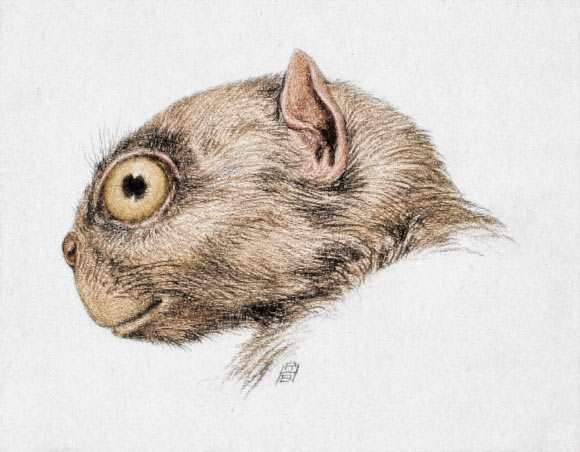
Encore plus redoutable que le T. rex : ce mosasaure géant, de la taille d'un bus, est le plus féroce jamais découvert
prédateur fossile Mosasaurus étude
Il régnait sur les mers il y a 80 millions d’années, mesurait plus de 13 mètres de long et semblait bien plus violent que les autres prédateurs marins de son époque. Une nouvelle étude vient de révéler l’existence d’un gigantesque mosasaure jusque-là mal identifié, dont les fossiles racontent...
26/05/2026 futura-terre
Une nouvelle espèce d’énorme mosasaure est décrite
prédateur Campanien Crétacé Crétacé supérieur fossile Mosasaurus Tylosaurus nouvelle espèce
Une espèce géante de Tylosaurus nouvellement nommée a été nommée par les chercheurs.  La nouvelle espèce de Tylosaurus a été érigée sur la base de fossiles trouvés dans le nord du Texas. Cet énorme prédateur régnait sur les mers anciennes il y a environ 80 millions d’années (stade faunique campanien du Crétacé supérieur).  L'article scientifique a été publié dans le Bulletin of the American
26/05/2026 everythingdinosaur ⚙ Traduction automatique
1 2 3 4 5 6 7 8 9 10 11 12 13 14 15 16 17 18 19 20 21 22 23 24 25 26 27 28 29 30 31 32 33 34 35 36 37