fossile

Nature du spécimen

371 image(s) · 183 Actualités

Galerie d'images

A hypothetical life restoration of Ampelosaurus atacis

• Ampelosaurus is known from hundreds of fossil specimens which show most of the dinosaur's osteological details, however, there are few articulated remains or reconstructions of the material so its overall proportions and life appearance are uncertain.
• Ampelosaurus is known to have supported osteoderms, only four are currently known. The number of these osteoderms that an individual Ampelosaurus would have supported in life and their and position on the body is not currently known. It's thought that due to the rarity of titanosaur osteoderms that they would be quite sparse on the body. The position and layout of the osteoderms has been loosely based on this interpretation, which is based on the work of Vidal et al 2015. [1]
Taxons Dashanpusaurus

A hypothetical life restoration of Ampelosaurus atacis • Ampelosaurus is known from hundreds of fossil specimens which show most of the dinosaur's osteological details, however, there are few articulated remains or reconstructions of the material so its overall proportions and life appearance are uncertain. • Ampelosaurus is known to have supported osteoderms, only four are currently known. The number of these osteoderms that an individual Ampelosaurus would have supported in life and their and position on the body is not currently known. It's thought that due to the rarity of titanosaur osteoderms that they would be quite sparse on the body. The position and layout of the osteoderms has been loosely based on this interpretation, which is based on the work of Vidal et al 2015. [1]

fossile spécimen Ampelosaurus Bagualosauria +6
Lower Triassic fossil footprint (ichnite) of the ichnogenus Chirotherium, probably caused by an early archosaur, and first discovered 1833 in Hildburghausen (Thuringia, Germany). This specimen, however, ist from the Helsby Sandstone of the Storeton Quarry near Liverpool. Its species name is Chirotherium storetonense.[1]
Taxons Abelichnus

Lower Triassic fossil footprint (ichnite) of the ichnogenus Chirotherium, probably caused by an early archosaur, and first discovered 1833 in Hildburghausen (Thuringia, Germany). This specimen, however, ist from the Helsby Sandstone of the Storeton Quarry near Liverpool. Its species name is Chirotherium storetonense.[1]

Allemagne Trias fossile spécimen +9
Lower Triassic fossil footprint (ichnite) of the ichnogenus Chirotherium, probably caused by an early archosaur, and first discovered 1833 in Hildburghausen (Thuringia, Germany). This specimen, however, ist from the Helsby Sandstone of the Storeton Quarry near Liverpool. Its species name is Chirotherium storetonense.[1]
Taxons Anticheiropus

Lower Triassic fossil footprint (ichnite) of the ichnogenus Chirotherium, probably caused by an early archosaur, and first discovered 1833 in Hildburghausen (Thuringia, Germany). This specimen, however, ist from the Helsby Sandstone of the Storeton Quarry near Liverpool. Its species name is Chirotherium storetonense.[1]

Allemagne Trias fossile spécimen +9
Lower Triassic fossil footprint (ichnite) of the ichnogenus Chirotherium, probably caused by an early archosaur, and first discovered 1833 in Hildburghausen (Thuringia, Germany). This specimen, however, ist from the Helsby Sandstone of the Storeton Quarry near Liverpool. Its species name is Chirotherium storetonense.[1]
Taxons Argoides

Lower Triassic fossil footprint (ichnite) of the ichnogenus Chirotherium, probably caused by an early archosaur, and first discovered 1833 in Hildburghausen (Thuringia, Germany). This specimen, however, ist from the Helsby Sandstone of the Storeton Quarry near Liverpool. Its species name is Chirotherium storetonense.[1]

Allemagne Trias fossile spécimen +9
Lower Triassic fossil footprint (ichnite) of the ichnogenus Chirotherium, probably caused by an early archosaur, and first discovered 1833 in Hildburghausen (Thuringia, Germany). This specimen, however, ist from the Helsby Sandstone of the Storeton Quarry near Liverpool. Its species name is Chirotherium storetonense.[1]
Taxons Delatorrichnus

Lower Triassic fossil footprint (ichnite) of the ichnogenus Chirotherium, probably caused by an early archosaur, and first discovered 1833 in Hildburghausen (Thuringia, Germany). This specimen, however, ist from the Helsby Sandstone of the Storeton Quarry near Liverpool. Its species name is Chirotherium storetonense.[1]

Allemagne Trias fossile spécimen +9
Lower Triassic fossil footprint (ichnite) of the ichnogenus Chirotherium, probably caused by an early archosaur, and first discovered 1833 in Hildburghausen (Thuringia, Germany). This specimen, however, ist from the Helsby Sandstone of the Storeton Quarry near Liverpool. Its species name is Chirotherium storetonense.[1]
Taxons Dinehichnus

Lower Triassic fossil footprint (ichnite) of the ichnogenus Chirotherium, probably caused by an early archosaur, and first discovered 1833 in Hildburghausen (Thuringia, Germany). This specimen, however, ist from the Helsby Sandstone of the Storeton Quarry near Liverpool. Its species name is Chirotherium storetonense.[1]

Allemagne Trias fossile spécimen +9
Lower Triassic fossil footprint (ichnite) of the ichnogenus Chirotherium, probably caused by an early archosaur, and first discovered 1833 in Hildburghausen (Thuringia, Germany). This specimen, however, ist from the Helsby Sandstone of the Storeton Quarry near Liverpool. Its species name is Chirotherium storetonense.[1]
Taxons Dromaeosauripus

Lower Triassic fossil footprint (ichnite) of the ichnogenus Chirotherium, probably caused by an early archosaur, and first discovered 1833 in Hildburghausen (Thuringia, Germany). This specimen, however, ist from the Helsby Sandstone of the Storeton Quarry near Liverpool. Its species name is Chirotherium storetonense.[1]

Allemagne Trias fossile spécimen +9
Lower Triassic fossil footprint (ichnite) of the ichnogenus Chirotherium, probably caused by an early archosaur, and first discovered 1833 in Hildburghausen (Thuringia, Germany). This specimen, however, ist from the Helsby Sandstone of the Storeton Quarry near Liverpool. Its species name is Chirotherium storetonense.[1]
Taxons Eutynichnium

Lower Triassic fossil footprint (ichnite) of the ichnogenus Chirotherium, probably caused by an early archosaur, and first discovered 1833 in Hildburghausen (Thuringia, Germany). This specimen, however, ist from the Helsby Sandstone of the Storeton Quarry near Liverpool. Its species name is Chirotherium storetonense.[1]

Allemagne Trias fossile spécimen +9
fossil Europasaurus, Aathal Dinosaur Museum.

fossil Europasaurus, Aathal Dinosaur Museum.

musée fossile Dinosauria Europasaurus
Left humerus of Haestasaurus becklesii (NHMUK R1870). A, anterior view; B, posterior view; Abbreviations: af, anconeal fossa; dp, deltopectoral crest; hh, humeral head; ltf, lateral triceps fossa; mtf, medial triceps fossa.

This fossil was found in strata of the Hastings Beds (late Berriasian—Valanginian in age) on the coast near Hastings, East Sussex, England.

Left humerus of Haestasaurus becklesii (NHMUK R1870). A, anterior view; B, posterior view; Abbreviations: af, anconeal fossa; dp, deltopectoral crest; hh, humeral head; ltf, lateral triceps fossa; mtf, medial triceps fossa. This fossil was found in strata of the Hastings Beds (late Berriasian—Valanginian in age) on the coast near Hastings, East Sussex, England.

crête humérus Berriasien Valanginien +2
Holotype fossils of Glacialisaurus (PR 1823); metatarsals, tibia, fibula, ankle bones

Holotype fossils of Glacialisaurus (PR 1823); metatarsals, tibia, fibula, ankle bones

os fossile holotype Glacialisaurus
Fossil Panphagia

Fossil Panphagia

fossile Panphagia
Fossil of Sthenarosaurus, an extinct reptile - Took the picture at Museum of Paleontology, Tuebingen

Fossil of Sthenarosaurus, an extinct reptile - Took the picture at Museum of Paleontology, Tuebingen

musée fossile Sthenarosaurus
fossil of seeleyosaurus

fossil of seeleyosaurus

fossile Seeleyosaurus
Fossil of Peteinosaurus zambellii (paratype MCSNB 3359), an extinct reptile

Fossil of Peteinosaurus zambellii (paratype MCSNB 3359), an extinct reptile

fossile Peteinosaurus
Fossil at the Museo Argentino de Ciencias Naturales in Caballito, Buenos Aires, Argentina.

Fossil at the Museo Argentino de Ciencias Naturales in Caballito, Buenos Aires, Argentina.

Argentine fossile Pterodaustro
1 2 3 4 5 6 7 8 9 10 11 12 13 14 15 16 17 18 19 20 21 22 23 24

Actualités

Les abeilles anciennes ont transformé les alvéoles dentaires en minuscules pépinières il y a 20 000 ans
os dent nid fossile oiseau découverte insecte mammifères
Une étonnante découverte de fossiles montre que d'anciennes abeilles utilisaient les alvéoles vides des os de mammifères comme de minuscules nids après que des hiboux aient dispersé les os sur le sol d'une grotte il y a 20 000 ans. Il s’agit de la première preuve connue de nidification d’abeilles dans des os d’animaux, révélant une stratégie de survie étonnamment créative.
05/07/2026 sciencedaily ⚙ Traduction automatique
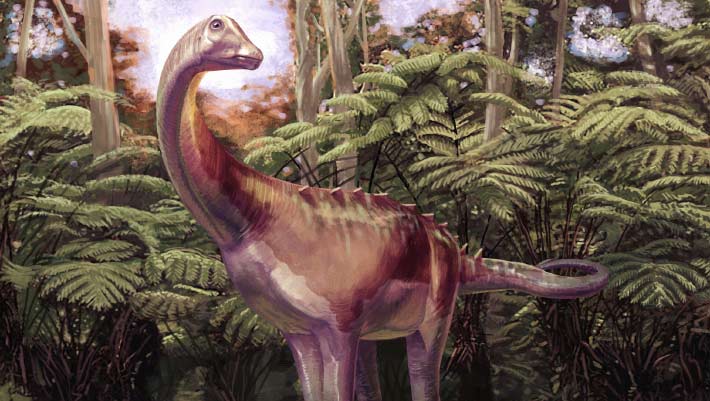
83-Million-Year-Old Fossil Rewrites Timeline of Antarctica’s First Dinosaur Discovery
Un fossile vieux de 83 millions d’années réécrit la chronologie de la première découverte de dinosaures en Antarctique
vertèbre Antarctique fossile Dinosauria Titanosauria découverte
Un petit fossile collecté sur une île de l'Antarctique il y a plus de quatre décennies est la vertèbre caudale d'un dinosaure sauropode titanosaure qui parcourait l'Antarctique il y a environ 83 millions d'années, selon un nouvel article paru dans la revue Acta Palaeontologica Polonica. La chronologie de la première découverte de dinosaures en Antarctique réécrite par un fossile vieux de 83 millions d'années est apparue en premier sur Sci.News : Breaking Science News.
01/07/2026 sci-news ⚙ Traduction automatique

Cet os oublié dans un tiroir depuis 40 ans vient de révéler le tout premier dinosaure découvert en Antarctique !
os vertèbre Antarctique Crétacé supérieur fossile Dinosauria Titanosauria découverte
Pendant près de quarante ans, il est resté oublié dans un tiroir du British Antarctic Survey. Ce fossile, découvert en Antarctique en 1985, vient pourtant d'être identifié comme le tout premier fossile de dinosaure jamais mis au jour sur le continent blanc. Une découverte qui éclaire aussi les...
01/07/2026 futura-terre
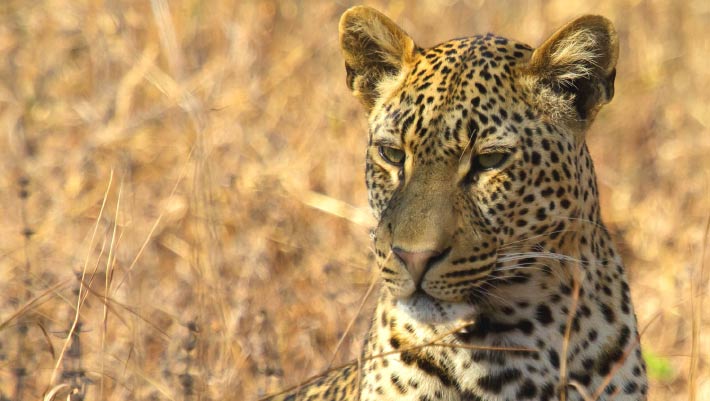
Fossils from German Quarry Reveal New Subspecies of European Leopard
Des fossiles d'une carrière allemande révèlent une nouvelle sous-espèce de léopard européen
Allemagne Quaternaire fossile mammifères nouvelle espèce
Nommée Panthera pardus burgtonnae, la sous-espèce de léopard nouvellement identifiée parcourait l'Europe pendant la période interglaciaire de l'Éémien et était beaucoup plus lourdement bâtie que les léopards modernes. L'article Les fossiles d'une carrière allemande révèlent de nouvelles sous-espèces de léopard européen apparaît en premier sur Sci.News : Breaking Science News.
30/06/2026 sci-news ⚙ Traduction automatique
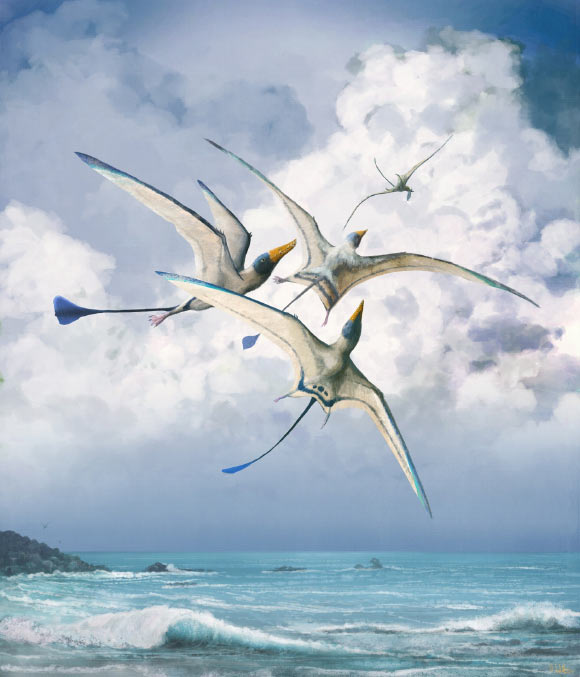
Pterosaurs May Have Sported Far More Varied Wings than Paleontologists Imagined
Les ptérosaures auraient pu arborer des ailes beaucoup plus variées que ce que les paléontologues avaient imaginé
vol fossile Pterosauria biomécanique évolution
De nouvelles recherches de l'Université de Bristol suggèrent que les ptérosaures - les premiers vertébrés à voler propulsé - présentaient probablement un éventail de formes d'ailes et de styles de vol beaucoup plus large que ce que les reconstructions basées sur des fossiles ont décrit. L'article Les ptérosaures auraient pu arborer des ailes beaucoup plus variées que ce que les paléontologues avaient imaginé est apparu en premier sur Sci.News : Breaking Science News.
30/06/2026 sci-news ⚙ Traduction automatique
1 2 3 4 5 6 7 8 9 10 11 12 13 14 15 16 17 18 19 20 21 22 23 24 25 26 27 28 29 30 31 32 33 34 35 36 37