←

Chine

Pays

95 image(s) · 48 Actualités

Galerie d'images

Digital copy of 1978 slide. Natural History Museum, Smithsonian Institution, Washington, D.C. Complete indexed photo collection at WorldHistoryPics.com.

Digital copy of 1978 slide. Natural History Museum, Smithsonian Institution, Washington, D.C. Complete indexed photo collection at WorldHistoryPics.com.

musée Chine
Digital copy of 1978 slide. Natural History Museum, Smithsonian Institution, Washington, D.C. Complete indexed photo collection at WorldHistoryPics.com.

Digital copy of 1978 slide. Natural History Museum, Smithsonian Institution, Washington, D.C. Complete indexed photo collection at WorldHistoryPics.com.

musée Chine
The GSSP for the Hirnantian stage in the ICS geological timescale (uppermost Ordovician stage), located in the Wangjiawan profile (an outcrop of black shale, brownishly weathered siliceous shale and chert layers of the Wufeng Formation) along the G241 road, about 40 km north of Yichang, Hubei, China. An exact golden spike is missing in the profile (2025) but a memorial plague marks the place. The GSSP occurs at the first appearance of fossils of the graptolite species Normalograptus extraordinarius. It was ratified in 2006.

The GSSP for the Hirnantian stage in the ICS geological timescale (uppermost Ordovician stage), located in the Wangjiawan profile (an outcrop of black shale, brownishly weathered siliceous shale and chert layers of the Wufeng Formation) along the G241 road, about 40 km north of Yichang, Hubei, China. An exact golden spike is missing in the profile (2025) but a memorial plague marks the place. The GSSP occurs at the first appearance of fossils of the graptolite species Normalograptus extraordinarius. It was ratified in 2006.

Chine Hirnantien Ordovicien fossile +1
National Museum: China through the Ages, Exhibit 3. Complete indexed photo collection at WorldHistoryPics.com.

National Museum: China through the Ages, Exhibit 3. Complete indexed photo collection at WorldHistoryPics.com.

musée Chine
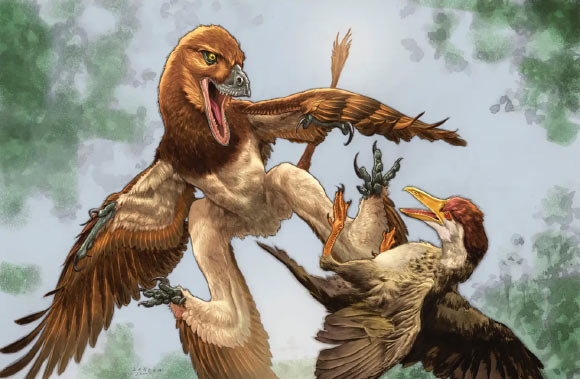
Jian changmaensis (à gauche) attaque l'oiseau primitif Gansus yumenensis (à droite) dans ce qui est aujourd'hui le bassin de Changma, dans le nord-ouest de la Chine, il y a environ 120 millions d'années.

Jian changmaensis (à gauche) attaque l'oiseau primitif Gansus yumenensis (à droite) dans ce qui est aujourd'hui le bassin de Changma, dans le nord-ouest de la Chine, il y a environ 120 millions d'années.

bassin Chine oiseau
Jeholornis prima skeleton (IVPP V13350) on display at the Paleozoological Museum of China.
Taxons Jeholornithiformes

Jeholornis prima skeleton (IVPP V13350) on display at the Paleozoological Museum of China.

musée Chine Jeholornithidae Jeholornithiformes +2
Jeholornis prima skeleton (IVPP V13350) on display at the Paleozoological Museum of China.
Taxons Jeholornithidae

Jeholornis prima skeleton (IVPP V13350) on display at the Paleozoological Museum of China.

musée Chine Jeholornithidae Jeholornithiformes +2
Youngoolithus xiaguanensis nest on display at the Paleozoological Museum of China.
Taxons Youngoolithus

Youngoolithus xiaguanensis nest on display at the Paleozoological Museum of China.

nid musée Chine Youngoolithidae +1
Youngoolithus xiaguanensis nest on display at the Paleozoological Museum of China.
Taxons Youngoolithidae

Youngoolithus xiaguanensis nest on display at the Paleozoological Museum of China.

nid musée Chine Youngoolithidae +1
Henan Geological Museum, Zhengzhou, China. Complete indexed photo collection at WorldHistoryPics.com.
Taxons Placoolithus

Henan Geological Museum, Zhengzhou, China. Complete indexed photo collection at WorldHistoryPics.com.

musée Chine Placoolithus
World map showing Late Cretaceous metatherian locales.

Europe

1. Font-de-Benon quarry, Archingeay-Les Nouillers (Cenomanian, Late Cretaceous), Charente-Maritime, southwestern France (Vullo et al. 2009)
2. Valkenburg Member, Maastricht Formation (late Maastrichtian, Late Cretaceous), southern Limburg, The Netherlands (Martin et al. 2005)
Asia

3. Yixian Formation, China (Barremian, Early Cretaceous)
4. Bissekty Formation, Kyzylkum Desert, Uzbekistan (Turonian, Late Cretaceous)
5. Darbasa Formation, southern Kazakhstan (Campanian, Late Cretaceous)
6. Grey Mesa locality (Averianov 1997)
7. Barun Goyot Formation, Umuni Gobi, Mongolia (Campanian, Late Cretaceous)
8. Nemegt Formation, Omnogov, Mongolia (Maastrichtian, Late Cretaceous)
9. Djadokhta Formation, Mongolia (Campanian, Late Cretaceous)

North America
Alaska

9. Prince Creek Formation, Alaska (early Maastrichtian, Late Cretaceous)
Alberta and Saskatchewan, Canada

10. Milk River Formation, southern Alberta, Canada (late Santonian, Late Cretaceous)
11. Oldman Formation, southern Alberta, Canada (Campanian, Late Cretaceous)
12. Dinosaur Park Formation, southern Alberta, Canada (late Campanian, Late Cretaceous)


13. Horseshoe Canyon Formation, southern Alberta, Canada (early Maastrichtian, Late Cretaceous)
14. St. Mary River Formation, Alberta and northwestern Montana (early Maastrichtian, Late Cretaceous)


15. Scollard Formation, Alberta (late Maastrichtian, Late Cretaceous)
16. Frenchman Formation, Saskatchewan (late Maastrichtian, Late Cretaceous)
Montana and North Dakota

17. Judith River Formation (late Campanian, Late Cretaceous)
18. Two Medicine Formation (late Campanian, Late Cretaceous)
19. Hell Creek Formation, Montana and North Dakota (late Maastrichtian, Late Cretaceous)

South Dakota

20. Fox Hills Formation, South Dakota (late Maastrichtian, Late Cretaceous)
21. Hell Creek Formation, South Dakota (late Maastrichtian, Late Cretaceous)
Wyoming

22. “Mesa Verde Formation” (late Campanian, Late Cretaceous)
23. Lance Formation, Wyoming (late Maastrichtian, Late Cretaceous)
24. Ferris Formation, Wyoming (late Maastrichtian, Late Cretaceous)

Utah

25. Cedar Mountain Formation (Albian-Cenomanian)
26. Dakota Formation fauna (late Cenomanian, Late Cretaceous)
27. Smoky Hollow Member, Straight Cliffs Formation (Turonian, Late Cretaceous)
28. John Henry Member, Straight Cliffs Formation (Coniacian-Santonian, Late Cretaceous)
29. Wahweap Formation (early-middle Campanian, Late Cretaceous)
30. Kaiparowits Formation (late Campanian, Late Cretaceous)
31. Iron Springs Formation fauna, southern Utah (Turonian – Santonian, Late Cretaceous)
32. North Horn Formation, Utah (late Maastrichtian, Late Cretaceous)
Colorado

33. Williams Fork Formation, Colorado (late Campanian-early Maastrichtian)


34. Laramie Formation, northeastern Colorado (late Maastrichtian, Late Cretaceous)

Baja California Del Norte, Mexico

35. El Gallo Formation (late Campanian, Late Cretaceous) (Clemens 1980; Lillegraven 1972; Lillegraven 1976)
New Mexico

36. Fruitland and lower Kirtland Formation, San Juan Basin (late Campanian, Late Cretaceous)
37. Naashoibito Member, Kirtland Formation, New Mexico (late Maastrichtian, Late Cretaceous)
Oklahoma

38. Antlers Formation, Texas and Oklahoma (Aptian-Albian, Early Cretaceous)
Texas

39. Aguja Formation, West Texas (late Campanian, Late Cretaceous)
New Jersey

40. Marshalltown Formation, New Jersey (Campanian, Late Cretaceous)
Szalay 1994)
Formations Bissekty

World map showing Late Cretaceous metatherian locales. Europe 1. Font-de-Benon quarry, Archingeay-Les Nouillers (Cenomanian, Late Cretaceous), Charente-Maritime, southwestern France (Vullo et al. 2009) 2. Valkenburg Member, Maastricht Formation (late Maastrichtian, Late Cretaceous), southern Limburg, The Netherlands (Martin et al. 2005) Asia 3. Yixian Formation, China (Barremian, Early Cretaceous) 4. Bissekty Formation, Kyzylkum Desert, Uzbekistan (Turonian, Late Cretaceous) 5. Darbasa Formation, southern Kazakhstan (Campanian, Late Cretaceous) 6. Grey Mesa locality (Averianov 1997) 7. Barun Goyot Formation, Umuni Gobi, Mongolia (Campanian, Late Cretaceous) 8. Nemegt Formation, Omnogov, Mongolia (Maastrichtian, Late Cretaceous) 9. Djadokhta Formation, Mongolia (Campanian, Late Cretaceous) North America Alaska 9. Prince Creek Formation, Alaska (early Maastrichtian, Late Cretaceous) Alberta and Saskatchewan, Canada 10. Milk River Formation, southern Alberta, Canada (late Santonian, Late Cretaceous) 11. Oldman Formation, southern Alberta, Canada (Campanian, Late Cretaceous) 12. Dinosaur Park Formation, southern Alberta, Canada (late Campanian, Late Cretaceous) 13. Horseshoe Canyon Formation, southern Alberta, Canada (early Maastrichtian, Late Cretaceous) 14. St. Mary River Formation, Alberta and northwestern Montana (early Maastrichtian, Late Cretaceous) 15. Scollard Formation, Alberta (late Maastrichtian, Late Cretaceous) 16. Frenchman Formation, Saskatchewan (late Maastrichtian, Late Cretaceous) Montana and North Dakota 17. Judith River Formation (late Campanian, Late Cretaceous) 18. Two Medicine Formation (late Campanian, Late Cretaceous) 19. Hell Creek Formation, Montana and North Dakota (late Maastrichtian, Late Cretaceous) South Dakota 20. Fox Hills Formation, South Dakota (late Maastrichtian, Late Cretaceous) 21. Hell Creek Formation, South Dakota (late Maastrichtian, Late Cretaceous) Wyoming 22. “Mesa Verde Formation” (late Campanian, Late Cretaceous) 23. Lance Formation, Wyoming (late Maastrichtian, Late Cretaceous) 24. Ferris Formation, Wyoming (late Maastrichtian, Late Cretaceous) Utah 25. Cedar Mountain Formation (Albian-Cenomanian) 26. Dakota Formation fauna (late Cenomanian, Late Cretaceous) 27. Smoky Hollow Member, Straight Cliffs Formation (Turonian, Late Cretaceous) 28. John Henry Member, Straight Cliffs Formation (Coniacian-Santonian, Late Cretaceous) 29. Wahweap Formation (early-middle Campanian, Late Cretaceous) 30. Kaiparowits Formation (late Campanian, Late Cretaceous) 31. Iron Springs Formation fauna, southern Utah (Turonian – Santonian, Late Cretaceous) 32. North Horn Formation, Utah (late Maastrichtian, Late Cretaceous) Colorado 33. Williams Fork Formation, Colorado (late Campanian-early Maastrichtian) 34. Laramie Formation, northeastern Colorado (late Maastrichtian, Late Cretaceous) Baja California Del Norte, Mexico 35. El Gallo Formation (late Campanian, Late Cretaceous) (Clemens 1980; Lillegraven 1972; Lillegraven 1976) New Mexico 36. Fruitland and lower Kirtland Formation, San Juan Basin (late Campanian, Late Cretaceous) 37. Naashoibito Member, Kirtland Formation, New Mexico (late Maastrichtian, Late Cretaceous) Oklahoma 38. Antlers Formation, Texas and Oklahoma (Aptian-Albian, Early Cretaceous) Texas 39. Aguja Formation, West Texas (late Campanian, Late Cretaceous) New Jersey 40. Marshalltown Formation, New Jersey (Campanian, Late Cretaceous) Szalay 1994)

Canada Chine France Kazakhstan +18
World map showing Late Cretaceous metatherian locales.

Europe

1. Font-de-Benon quarry, Archingeay-Les Nouillers (Cenomanian, Late Cretaceous), Charente-Maritime, southwestern France (Vullo et al. 2009)
2. Valkenburg Member, Maastricht Formation (late Maastrichtian, Late Cretaceous), southern Limburg, The Netherlands (Martin et al. 2005)
Asia

3. Yixian Formation, China (Barremian, Early Cretaceous)
4. Bissekty Formation, Kyzylkum Desert, Uzbekistan (Turonian, Late Cretaceous)
5. Darbasa Formation, southern Kazakhstan (Campanian, Late Cretaceous)
6. Grey Mesa locality (Averianov 1997)
7. Barun Goyot Formation, Umuni Gobi, Mongolia (Campanian, Late Cretaceous)
8. Nemegt Formation, Omnogov, Mongolia (Maastrichtian, Late Cretaceous)
9. Djadokhta Formation, Mongolia (Campanian, Late Cretaceous)

North America
Alaska

9. Prince Creek Formation, Alaska (early Maastrichtian, Late Cretaceous)
Alberta and Saskatchewan, Canada

10. Milk River Formation, southern Alberta, Canada (late Santonian, Late Cretaceous)
11. Oldman Formation, southern Alberta, Canada (Campanian, Late Cretaceous)
12. Dinosaur Park Formation, southern Alberta, Canada (late Campanian, Late Cretaceous)


13. Horseshoe Canyon Formation, southern Alberta, Canada (early Maastrichtian, Late Cretaceous)
14. St. Mary River Formation, Alberta and northwestern Montana (early Maastrichtian, Late Cretaceous)


15. Scollard Formation, Alberta (late Maastrichtian, Late Cretaceous)
16. Frenchman Formation, Saskatchewan (late Maastrichtian, Late Cretaceous)
Montana and North Dakota

17. Judith River Formation (late Campanian, Late Cretaceous)
18. Two Medicine Formation (late Campanian, Late Cretaceous)
19. Hell Creek Formation, Montana and North Dakota (late Maastrichtian, Late Cretaceous)

South Dakota

20. Fox Hills Formation, South Dakota (late Maastrichtian, Late Cretaceous)
21. Hell Creek Formation, South Dakota (late Maastrichtian, Late Cretaceous)
Wyoming

22. “Mesa Verde Formation” (late Campanian, Late Cretaceous)
23. Lance Formation, Wyoming (late Maastrichtian, Late Cretaceous)
24. Ferris Formation, Wyoming (late Maastrichtian, Late Cretaceous)

Utah

25. Cedar Mountain Formation (Albian-Cenomanian)
26. Dakota Formation fauna (late Cenomanian, Late Cretaceous)
27. Smoky Hollow Member, Straight Cliffs Formation (Turonian, Late Cretaceous)
28. John Henry Member, Straight Cliffs Formation (Coniacian-Santonian, Late Cretaceous)
29. Wahweap Formation (early-middle Campanian, Late Cretaceous)
30. Kaiparowits Formation (late Campanian, Late Cretaceous)
31. Iron Springs Formation fauna, southern Utah (Turonian – Santonian, Late Cretaceous)
32. North Horn Formation, Utah (late Maastrichtian, Late Cretaceous)
Colorado

33. Williams Fork Formation, Colorado (late Campanian-early Maastrichtian)


34. Laramie Formation, northeastern Colorado (late Maastrichtian, Late Cretaceous)

Baja California Del Norte, Mexico

35. El Gallo Formation (late Campanian, Late Cretaceous) (Clemens 1980; Lillegraven 1972; Lillegraven 1976)
New Mexico

36. Fruitland and lower Kirtland Formation, San Juan Basin (late Campanian, Late Cretaceous)
37. Naashoibito Member, Kirtland Formation, New Mexico (late Maastrichtian, Late Cretaceous)
Oklahoma

38. Antlers Formation, Texas and Oklahoma (Aptian-Albian, Early Cretaceous)
Texas

39. Aguja Formation, West Texas (late Campanian, Late Cretaceous)
New Jersey

40. Marshalltown Formation, New Jersey (Campanian, Late Cretaceous)
Szalay 1994)
Formations Frenchman

World map showing Late Cretaceous metatherian locales. Europe 1. Font-de-Benon quarry, Archingeay-Les Nouillers (Cenomanian, Late Cretaceous), Charente-Maritime, southwestern France (Vullo et al. 2009) 2. Valkenburg Member, Maastricht Formation (late Maastrichtian, Late Cretaceous), southern Limburg, The Netherlands (Martin et al. 2005) Asia 3. Yixian Formation, China (Barremian, Early Cretaceous) 4. Bissekty Formation, Kyzylkum Desert, Uzbekistan (Turonian, Late Cretaceous) 5. Darbasa Formation, southern Kazakhstan (Campanian, Late Cretaceous) 6. Grey Mesa locality (Averianov 1997) 7. Barun Goyot Formation, Umuni Gobi, Mongolia (Campanian, Late Cretaceous) 8. Nemegt Formation, Omnogov, Mongolia (Maastrichtian, Late Cretaceous) 9. Djadokhta Formation, Mongolia (Campanian, Late Cretaceous) North America Alaska 9. Prince Creek Formation, Alaska (early Maastrichtian, Late Cretaceous) Alberta and Saskatchewan, Canada 10. Milk River Formation, southern Alberta, Canada (late Santonian, Late Cretaceous) 11. Oldman Formation, southern Alberta, Canada (Campanian, Late Cretaceous) 12. Dinosaur Park Formation, southern Alberta, Canada (late Campanian, Late Cretaceous) 13. Horseshoe Canyon Formation, southern Alberta, Canada (early Maastrichtian, Late Cretaceous) 14. St. Mary River Formation, Alberta and northwestern Montana (early Maastrichtian, Late Cretaceous) 15. Scollard Formation, Alberta (late Maastrichtian, Late Cretaceous) 16. Frenchman Formation, Saskatchewan (late Maastrichtian, Late Cretaceous) Montana and North Dakota 17. Judith River Formation (late Campanian, Late Cretaceous) 18. Two Medicine Formation (late Campanian, Late Cretaceous) 19. Hell Creek Formation, Montana and North Dakota (late Maastrichtian, Late Cretaceous) South Dakota 20. Fox Hills Formation, South Dakota (late Maastrichtian, Late Cretaceous) 21. Hell Creek Formation, South Dakota (late Maastrichtian, Late Cretaceous) Wyoming 22. “Mesa Verde Formation” (late Campanian, Late Cretaceous) 23. Lance Formation, Wyoming (late Maastrichtian, Late Cretaceous) 24. Ferris Formation, Wyoming (late Maastrichtian, Late Cretaceous) Utah 25. Cedar Mountain Formation (Albian-Cenomanian) 26. Dakota Formation fauna (late Cenomanian, Late Cretaceous) 27. Smoky Hollow Member, Straight Cliffs Formation (Turonian, Late Cretaceous) 28. John Henry Member, Straight Cliffs Formation (Coniacian-Santonian, Late Cretaceous) 29. Wahweap Formation (early-middle Campanian, Late Cretaceous) 30. Kaiparowits Formation (late Campanian, Late Cretaceous) 31. Iron Springs Formation fauna, southern Utah (Turonian – Santonian, Late Cretaceous) 32. North Horn Formation, Utah (late Maastrichtian, Late Cretaceous) Colorado 33. Williams Fork Formation, Colorado (late Campanian-early Maastrichtian) 34. Laramie Formation, northeastern Colorado (late Maastrichtian, Late Cretaceous) Baja California Del Norte, Mexico 35. El Gallo Formation (late Campanian, Late Cretaceous) (Clemens 1980; Lillegraven 1972; Lillegraven 1976) New Mexico 36. Fruitland and lower Kirtland Formation, San Juan Basin (late Campanian, Late Cretaceous) 37. Naashoibito Member, Kirtland Formation, New Mexico (late Maastrichtian, Late Cretaceous) Oklahoma 38. Antlers Formation, Texas and Oklahoma (Aptian-Albian, Early Cretaceous) Texas 39. Aguja Formation, West Texas (late Campanian, Late Cretaceous) New Jersey 40. Marshalltown Formation, New Jersey (Campanian, Late Cretaceous) Szalay 1994)

Canada Chine France Kazakhstan +18
Paleogeography and paleoclimate of the Late Jurassic - 150 Ma with dinosaur fossil localities:
A = Tendaguru Formation, Tanzania
C1 =  Shishugou & Kalazha Formations, China
C2 =  Shangshaximiao (Upper Shaximiao) Formation, China
E1 =  Sables de Glos, Argiles d’Octeville, Marnes de Bléville, Kimmeridge Clay, Calcareous Grit, Corallian Oolite, Oxford Clay, Portland Stone, England & France
E2 = Villar del Arzobispo, Alcobaça, Guimarota, Sobral, Amoreira-Porto Novo, Bombarral, Freixial, Lourinhã Formations, Spain & Portugal
M1-6 = Morrison Formation, United States
S1 =  Toquí & Cañadón Calcáreo Formations, Chile & Argentina

Paleogeography and paleoclimate of the Late Jurassic - 150 Ma with dinosaur fossil localities: A = Tendaguru Formation, Tanzania C1 = Shishugou & Kalazha Formations, China C2 = Shangshaximiao (Upper Shaximiao) Formation, China E1 = Sables de Glos, Argiles d’Octeville, Marnes de Bléville, Kimmeridge Clay, Calcareous Grit, Corallian Oolite, Oxford Clay, Portland Stone, England & France E2 = Villar del Arzobispo, Alcobaça, Guimarota, Sobral, Amoreira-Porto Novo, Bombarral, Freixial, Lourinhã Formations, Spain & Portugal M1-6 = Morrison Formation, United States S1 = Toquí & Cañadón Calcáreo Formations, Chile & Argentina

Argentine Chili Chine France +19
Comparison of the digit III/footprint length ratio for Eubrontes of the same size in America, Europe, and China. American specimens: (a) Eubrontes giganteus AC 15/3, type specimens (Lockley 2009); (b) Eubrontes giganteus AC 45/1 (Olsen et al. 1998); (c) Utah Eubrontes 1 (Lockley et al. 1998); (d) Utah Eubrontes 2 (T3) (Lockley et al. 2021); (e) Connecticut Eubrontes (Ishigaki and Fujisaki 1989); (f) Eubrontes (?) glenrosensis (Adams et al. 2010); European specimen: (g) Eubrontes veillonensis (de Lapparent and Montenat 1967); Chinese specimens: (h) Eubrontes pareschequier (Xing et al. 2009a, 2014b); (i) Eubrontes zigongensis (Xing et al. 2014c); (j) Eubrontes platypus (Hitchcock 1858) Xiyang specimen (Yang and Yang 1987); (k) Eubrontes monax (Zhen et al. 1986; Lockley et al. 2013); (l) Eubrontes xiyangensis (Zhen et al. 1986; Lockley et al. 2013); (m) Changpeipus carbonicus (Xing et al. 2014b); (n) Eubrontes nianpanshanensis (Xing et al. 2016b); (o) Lufengopus dongi (Lü et al. 2006; Xing et al. 2014d); (p) Eubrontes (?) glenrosensis Hailiutu specimen (Li et al. 2010; Xing et al. 2021); (q) Lockleypus luanpingeris (Xing et al. 2018e); (r) Chapus lockleyi (Li et al. 2006); (s) Asianopodus pulvinicalyx (Matsukawa et al. 2005); (t) Asianopodus robustus (Li et al. 2011; Lockley et al. 2018); (u) Eubrontes nobitai (This study); (v) Eubrontes HX-T3 (Xing et al. 2015b); (w) Eubrontes BJA-T4 (Xing et al. 2016c)
Taxons Asianopodus

Comparison of the digit III/footprint length ratio for Eubrontes of the same size in America, Europe, and China. American specimens: (a) Eubrontes giganteus AC 15/3, type specimens (Lockley 2009); (b) Eubrontes giganteus AC 45/1 (Olsen et al. 1998); (c) Utah Eubrontes 1 (Lockley et al. 1998); (d) Utah Eubrontes 2 (T3) (Lockley et al. 2021); (e) Connecticut Eubrontes (Ishigaki and Fujisaki 1989); (f) Eubrontes (?) glenrosensis (Adams et al. 2010); European specimen: (g) Eubrontes veillonensis (de Lapparent and Montenat 1967); Chinese specimens: (h) Eubrontes pareschequier (Xing et al. 2009a, 2014b); (i) Eubrontes zigongensis (Xing et al. 2014c); (j) Eubrontes platypus (Hitchcock 1858) Xiyang specimen (Yang and Yang 1987); (k) Eubrontes monax (Zhen et al. 1986; Lockley et al. 2013); (l) Eubrontes xiyangensis (Zhen et al. 1986; Lockley et al. 2013); (m) Changpeipus carbonicus (Xing et al. 2014b); (n) Eubrontes nianpanshanensis (Xing et al. 2016b); (o) Lufengopus dongi (Lü et al. 2006; Xing et al. 2014d); (p) Eubrontes (?) glenrosensis Hailiutu specimen (Li et al. 2010; Xing et al. 2021); (q) Lockleypus luanpingeris (Xing et al. 2018e); (r) Chapus lockleyi (Li et al. 2006); (s) Asianopodus pulvinicalyx (Matsukawa et al. 2005); (t) Asianopodus robustus (Li et al. 2011; Lockley et al. 2018); (u) Eubrontes nobitai (This study); (v) Eubrontes HX-T3 (Xing et al. 2015b); (w) Eubrontes BJA-T4 (Xing et al. 2016c)

Chine spécimen Asianopodus Changpeipus +2
Digital copy of 1978 slide. Natural History Museum, Smithsonian Institution, Washington, D.C. Complete indexed photo collection at WorldHistoryPics.com.

Digital copy of 1978 slide. Natural History Museum, Smithsonian Institution, Washington, D.C. Complete indexed photo collection at WorldHistoryPics.com.

musée Chine Tylosaurus
1 2 3 4 5 6

Actualités

Des dents vieilles de 400 000 ans révèlent un lien caché dans l'évolution humaine
protéine Chine évolution
Des dents d'Homo erectus de Chine vieilles de plus de 400 000 ans pourraient révéler un lien surprenant entre cette ancienne espèce humaine, les Dénisoviens, et certains peuples modernes. Les scientifiques ont découvert des mutations protéiques suggérant que plusieurs populations d'Homo erectus d'Asie de l'Est appartenaient au même groupe évolutif, y compris une mutation précédemment associée aux Dénisoviens. Cette variante est peut-être passée de l’Homo erectus aux Dénisoviens et a finalement atteint les populations modernes d’Asie du Sud-Est et d’Océanie.
10/09/2026 sciencedaily ⚙ Traduction automatique
115-Million-Year-Old Dinosaur Fossil Recovered from Deep Drill Core in China
Un fossile de dinosaure vieux de 115 millions d'années récupéré dans une carotte de forage profonde en Chine
Chine Mongolie Crétacé Crétacé inférieur fossile Dinosauria formation
Les scientifiques ont identifié le premier fossile de dinosaure dans une partie occidentale isolée de la formation Bayan Gobi, en Mongolie intérieure chinoise, étendant ainsi la répartition géographique connue des fossiles de dinosaures dans cette importante unité rocheuse du Crétacé inférieur. L'article Un fossile de dinosaure vieux de 115 millions d'années récupéré dans une carotte de forage profonde en Chine est apparu en premier sur Sci.News : Breaking Science News.
07/09/2026 sci-news ⚙ Traduction automatique
Un remarquable fossile de reptile marin du Trias préserve les organes internes
Chine Trias fossile spécimen anatomie squelette
Les scientifiques ont décrit un fossile exceptionnel du reptile marin du Trias au long cou, Austronaga minuta. Le spécimen vient de Chine et a environ 245 millions d’années. Remarquablement, une grande partie du système digestif de l’animal a été préservée. Le fossile presque complet offre aux scientifiques une vue sans précédent du squelette et de l’anatomie interne d’un archosauromorphe.
26/08/2026 everythingdinosaur ⚙ Traduction automatique
Scientists Reconstruct Sound of Jurassic Insects
Des scientifiques reconstituent le bruit des insectes du Jurassique
Chine Jurassique insecte
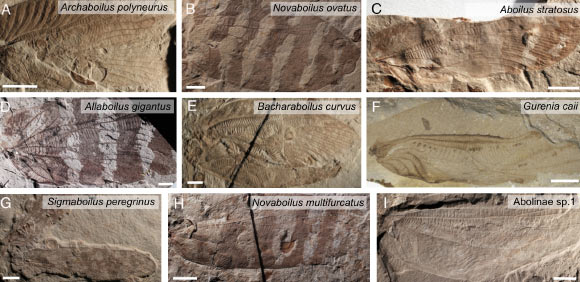
À l’aide de lasers, de modèles informatiques et de l’IA, les chercheurs ont reconstitué les cris de grillons et de katydidés modernes, vieux de 165 millions d’années, à partir de fragments d’ailes fossilisés trouvés en Chine. L'article Des scientifiques reconstruisent le son des insectes jurassiques est apparu en premier sur Sci.News : Breaking Science News.
25/08/2026 sci-news ⚙ Traduction automatique
Un gisement d'uranium dans un désert chinois relance la course mondiale à l'énergie nucléaire
Chine découverte
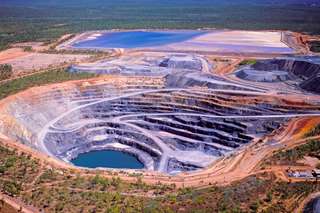
Le désert d'Ordos révèle un trésor énergétique sans précédent. Une découverte colossale de 30 millions de tonnes d'uranium bouleverse l'équilibre énergétique mondial. Comment cette ressource stratégique transformera-t-elle l'avenir de la Chine et les dynamiques internationales du nucléaire ? 
25/08/2026 futura-terre
1 2 3 4 5 6 7 8 9 10