Canada

Pays

34 image(s) · 8 Actualités

Galerie d'images

Title: Dinosaur hunting in western Canada
Identifier: dinosaurhuntingi00russ (find matches)
Year: 1966 (1960s)
Authors: Russell, Loris Shano, 1904-; Royal Ontario Museum
Subjects: Dinosaurs; Paleontology
Publisher: (Toronto : Printed at the University of Toronto Press)
Contributing Library: ROM - University of Toronto
Digitizing Sponsor: University of Toronto

View Book Page: Book Viewer
About This Book: Catalog Entry
View All Images: All Images From Book
Click here to view book online to see this illustration in context in a browseable online version of this book.

Text Appearing Before Image: 
This season of 1921 George Sternberg became the first dinosaur col- lector on the Red Deer River to have his work recorded in motion pictures. This happened by a curious error. The Dominion Motion Picture Bureau, predecessor of the National Film Board of Canada, had decided to make a short motion picture based on the work being done by the Geological Survey of Canada in the collecting and displaying of Canadian dinosaurs. The camera party sent to Alberta was naturally supposed to visit the Geological Survey party under Charles M. Sternberg, but local directions sent them to the camp of George Sternberg. So this excellent little film records field work by the University of Alberta party and preparation being done at the National Museum of Canada in Ottawa. That winter George Sternberg continued the preparation of the speci- mens obtained during the two preceding field seasons, but in the spring he resigned to accept a position with the Field Museum of Natural History of Chicago, under Elmer S. Riggs. The summer of 1922 was the last time that the eldest of the Sternberg sons worked on the Red Deer River, his collec- tion going to Chicago. However, he returned to Edmonton for several months in 1935, to complete the preparation of the collection that he brought together in 1920 and 1921. When George Sternberg left the Geological Survey of Canada in 1918, the only one of the four Sternbergs remaining at Ottawa was Charles Mortram Sternberg, the second son of C. H. Sternberg. Actually, Charles had his first independent expedition to the Red Deer badlands in 1917, C. M. Sternberg ami G. E. Lindblad working on the skull of a horned dinosaur (Centrasaurus sp.), Oldman formation, Red Deer River, 1917. N.M.C., No. 39994.
Text Appearing After Image: 
22

Note About Images

Please note that these images are extracted from scanned page images that may have been digitally enhanced for readability - coloration and appearance of these illustrations may not perfectly resemble the original work.

Title: Dinosaur hunting in western Canada Identifier: dinosaurhuntingi00russ (find matches) Year: 1966 (1960s) Authors: Russell, Loris Shano, 1904-; Royal Ontario Museum Subjects: Dinosaurs; Paleontology Publisher: (Toronto : Printed at the University of Toronto Press) Contributing Library: ROM - University of Toronto Digitizing Sponsor: University of Toronto View Book Page: Book Viewer About This Book: Catalog Entry View All Images: All Images From Book Click here to view book online to see this illustration in context in a browseable online version of this book. Text Appearing Before Image: This season of 1921 George Sternberg became the first dinosaur col- lector on the Red Deer River to have his work recorded in motion pictures. This happened by a curious error. The Dominion Motion Picture Bureau, predecessor of the National Film Board of Canada, had decided to make a short motion picture based on the work being done by the Geological Survey of Canada in the collecting and displaying of Canadian dinosaurs. The camera party sent to Alberta was naturally supposed to visit the Geological Survey party under Charles M. Sternberg, but local directions sent them to the camp of George Sternberg. So this excellent little film records field work by the University of Alberta party and preparation being done at the National Museum of Canada in Ottawa. That winter George Sternberg continued the preparation of the speci- mens obtained during the two preceding field seasons, but in the spring he resigned to accept a position with the Field Museum of Natural History of Chicago, under Elmer S. Riggs. The summer of 1922 was the last time that the eldest of the Sternberg sons worked on the Red Deer River, his collec- tion going to Chicago. However, he returned to Edmonton for several months in 1935, to complete the preparation of the collection that he brought together in 1920 and 1921. When George Sternberg left the Geological Survey of Canada in 1918, the only one of the four Sternbergs remaining at Ottawa was Charles Mortram Sternberg, the second son of C. H. Sternberg. Actually, Charles had his first independent expedition to the Red Deer badlands in 1917, C. M. Sternberg ami G. E. Lindblad working on the skull of a horned dinosaur (Centrasaurus sp.), Oldman formation, Red Deer River, 1917. N.M.C., No. 39994. Text Appearing After Image: 22 Note About Images Please note that these images are extracted from scanned page images that may have been digitally enhanced for readability - coloration and appearance of these illustrations may not perfectly resemble the original work.

chasse film musée Canada +1
Brachylophosaurus canadensis skull (original). From the Oldman Formation, Milk River, Alberta. On display at the Royal Tyrrell Museum, Alberta, Canada.

Brachylophosaurus canadensis skull (original). From the Oldman Formation, Milk River, Alberta. On display at the Royal Tyrrell Museum, Alberta, Canada.

musée Canada Milk River Oldman +3
Hoodoos in Writing-on-Stone Provincial Park, Alberta, Canada

Hoodoos in Writing-on-Stone Provincial Park, Alberta, Canada

Canada
World map showing Late Cretaceous metatherian locales.

Europe

1. Font-de-Benon quarry, Archingeay-Les Nouillers (Cenomanian, Late Cretaceous), Charente-Maritime, southwestern France (Vullo et al. 2009)
2. Valkenburg Member, Maastricht Formation (late Maastrichtian, Late Cretaceous), southern Limburg, The Netherlands (Martin et al. 2005)
Asia

3. Yixian Formation, China (Barremian, Early Cretaceous)
4. Bissekty Formation, Kyzylkum Desert, Uzbekistan (Turonian, Late Cretaceous)
5. Darbasa Formation, southern Kazakhstan (Campanian, Late Cretaceous)
6. Grey Mesa locality (Averianov 1997)
7. Barun Goyot Formation, Umuni Gobi, Mongolia (Campanian, Late Cretaceous)
8. Nemegt Formation, Omnogov, Mongolia (Maastrichtian, Late Cretaceous)
9. Djadokhta Formation, Mongolia (Campanian, Late Cretaceous)

North America
Alaska

9. Prince Creek Formation, Alaska (early Maastrichtian, Late Cretaceous)
Alberta and Saskatchewan, Canada

10. Milk River Formation, southern Alberta, Canada (late Santonian, Late Cretaceous)
11. Oldman Formation, southern Alberta, Canada (Campanian, Late Cretaceous)
12. Dinosaur Park Formation, southern Alberta, Canada (late Campanian, Late Cretaceous)


13. Horseshoe Canyon Formation, southern Alberta, Canada (early Maastrichtian, Late Cretaceous)
14. St. Mary River Formation, Alberta and northwestern Montana (early Maastrichtian, Late Cretaceous)


15. Scollard Formation, Alberta (late Maastrichtian, Late Cretaceous)
16. Frenchman Formation, Saskatchewan (late Maastrichtian, Late Cretaceous)
Montana and North Dakota

17. Judith River Formation (late Campanian, Late Cretaceous)
18. Two Medicine Formation (late Campanian, Late Cretaceous)
19. Hell Creek Formation, Montana and North Dakota (late Maastrichtian, Late Cretaceous)

South Dakota

20. Fox Hills Formation, South Dakota (late Maastrichtian, Late Cretaceous)
21. Hell Creek Formation, South Dakota (late Maastrichtian, Late Cretaceous)
Wyoming

22. “Mesa Verde Formation” (late Campanian, Late Cretaceous)
23. Lance Formation, Wyoming (late Maastrichtian, Late Cretaceous)
24. Ferris Formation, Wyoming (late Maastrichtian, Late Cretaceous)

Utah

25. Cedar Mountain Formation (Albian-Cenomanian)
26. Dakota Formation fauna (late Cenomanian, Late Cretaceous)
27. Smoky Hollow Member, Straight Cliffs Formation (Turonian, Late Cretaceous)
28. John Henry Member, Straight Cliffs Formation (Coniacian-Santonian, Late Cretaceous)
29. Wahweap Formation (early-middle Campanian, Late Cretaceous)
30. Kaiparowits Formation (late Campanian, Late Cretaceous)
31. Iron Springs Formation fauna, southern Utah (Turonian – Santonian, Late Cretaceous)
32. North Horn Formation, Utah (late Maastrichtian, Late Cretaceous)
Colorado

33. Williams Fork Formation, Colorado (late Campanian-early Maastrichtian)


34. Laramie Formation, northeastern Colorado (late Maastrichtian, Late Cretaceous)

Baja California Del Norte, Mexico

35. El Gallo Formation (late Campanian, Late Cretaceous) (Clemens 1980; Lillegraven 1972; Lillegraven 1976)
New Mexico

36. Fruitland and lower Kirtland Formation, San Juan Basin (late Campanian, Late Cretaceous)
37. Naashoibito Member, Kirtland Formation, New Mexico (late Maastrichtian, Late Cretaceous)
Oklahoma

38. Antlers Formation, Texas and Oklahoma (Aptian-Albian, Early Cretaceous)
Texas

39. Aguja Formation, West Texas (late Campanian, Late Cretaceous)
New Jersey

40. Marshalltown Formation, New Jersey (Campanian, Late Cretaceous)
Szalay 1994)
Formations Bissekty

World map showing Late Cretaceous metatherian locales. Europe 1. Font-de-Benon quarry, Archingeay-Les Nouillers (Cenomanian, Late Cretaceous), Charente-Maritime, southwestern France (Vullo et al. 2009) 2. Valkenburg Member, Maastricht Formation (late Maastrichtian, Late Cretaceous), southern Limburg, The Netherlands (Martin et al. 2005) Asia 3. Yixian Formation, China (Barremian, Early Cretaceous) 4. Bissekty Formation, Kyzylkum Desert, Uzbekistan (Turonian, Late Cretaceous) 5. Darbasa Formation, southern Kazakhstan (Campanian, Late Cretaceous) 6. Grey Mesa locality (Averianov 1997) 7. Barun Goyot Formation, Umuni Gobi, Mongolia (Campanian, Late Cretaceous) 8. Nemegt Formation, Omnogov, Mongolia (Maastrichtian, Late Cretaceous) 9. Djadokhta Formation, Mongolia (Campanian, Late Cretaceous) North America Alaska 9. Prince Creek Formation, Alaska (early Maastrichtian, Late Cretaceous) Alberta and Saskatchewan, Canada 10. Milk River Formation, southern Alberta, Canada (late Santonian, Late Cretaceous) 11. Oldman Formation, southern Alberta, Canada (Campanian, Late Cretaceous) 12. Dinosaur Park Formation, southern Alberta, Canada (late Campanian, Late Cretaceous) 13. Horseshoe Canyon Formation, southern Alberta, Canada (early Maastrichtian, Late Cretaceous) 14. St. Mary River Formation, Alberta and northwestern Montana (early Maastrichtian, Late Cretaceous) 15. Scollard Formation, Alberta (late Maastrichtian, Late Cretaceous) 16. Frenchman Formation, Saskatchewan (late Maastrichtian, Late Cretaceous) Montana and North Dakota 17. Judith River Formation (late Campanian, Late Cretaceous) 18. Two Medicine Formation (late Campanian, Late Cretaceous) 19. Hell Creek Formation, Montana and North Dakota (late Maastrichtian, Late Cretaceous) South Dakota 20. Fox Hills Formation, South Dakota (late Maastrichtian, Late Cretaceous) 21. Hell Creek Formation, South Dakota (late Maastrichtian, Late Cretaceous) Wyoming 22. “Mesa Verde Formation” (late Campanian, Late Cretaceous) 23. Lance Formation, Wyoming (late Maastrichtian, Late Cretaceous) 24. Ferris Formation, Wyoming (late Maastrichtian, Late Cretaceous) Utah 25. Cedar Mountain Formation (Albian-Cenomanian) 26. Dakota Formation fauna (late Cenomanian, Late Cretaceous) 27. Smoky Hollow Member, Straight Cliffs Formation (Turonian, Late Cretaceous) 28. John Henry Member, Straight Cliffs Formation (Coniacian-Santonian, Late Cretaceous) 29. Wahweap Formation (early-middle Campanian, Late Cretaceous) 30. Kaiparowits Formation (late Campanian, Late Cretaceous) 31. Iron Springs Formation fauna, southern Utah (Turonian – Santonian, Late Cretaceous) 32. North Horn Formation, Utah (late Maastrichtian, Late Cretaceous) Colorado 33. Williams Fork Formation, Colorado (late Campanian-early Maastrichtian) 34. Laramie Formation, northeastern Colorado (late Maastrichtian, Late Cretaceous) Baja California Del Norte, Mexico 35. El Gallo Formation (late Campanian, Late Cretaceous) (Clemens 1980; Lillegraven 1972; Lillegraven 1976) New Mexico 36. Fruitland and lower Kirtland Formation, San Juan Basin (late Campanian, Late Cretaceous) 37. Naashoibito Member, Kirtland Formation, New Mexico (late Maastrichtian, Late Cretaceous) Oklahoma 38. Antlers Formation, Texas and Oklahoma (Aptian-Albian, Early Cretaceous) Texas 39. Aguja Formation, West Texas (late Campanian, Late Cretaceous) New Jersey 40. Marshalltown Formation, New Jersey (Campanian, Late Cretaceous) Szalay 1994)

Canada Chine France Kazakhstan +18
World map showing Late Cretaceous metatherian locales.

Europe

1. Font-de-Benon quarry, Archingeay-Les Nouillers (Cenomanian, Late Cretaceous), Charente-Maritime, southwestern France (Vullo et al. 2009)
2. Valkenburg Member, Maastricht Formation (late Maastrichtian, Late Cretaceous), southern Limburg, The Netherlands (Martin et al. 2005)
Asia

3. Yixian Formation, China (Barremian, Early Cretaceous)
4. Bissekty Formation, Kyzylkum Desert, Uzbekistan (Turonian, Late Cretaceous)
5. Darbasa Formation, southern Kazakhstan (Campanian, Late Cretaceous)
6. Grey Mesa locality (Averianov 1997)
7. Barun Goyot Formation, Umuni Gobi, Mongolia (Campanian, Late Cretaceous)
8. Nemegt Formation, Omnogov, Mongolia (Maastrichtian, Late Cretaceous)
9. Djadokhta Formation, Mongolia (Campanian, Late Cretaceous)

North America
Alaska

9. Prince Creek Formation, Alaska (early Maastrichtian, Late Cretaceous)
Alberta and Saskatchewan, Canada

10. Milk River Formation, southern Alberta, Canada (late Santonian, Late Cretaceous)
11. Oldman Formation, southern Alberta, Canada (Campanian, Late Cretaceous)
12. Dinosaur Park Formation, southern Alberta, Canada (late Campanian, Late Cretaceous)


13. Horseshoe Canyon Formation, southern Alberta, Canada (early Maastrichtian, Late Cretaceous)
14. St. Mary River Formation, Alberta and northwestern Montana (early Maastrichtian, Late Cretaceous)


15. Scollard Formation, Alberta (late Maastrichtian, Late Cretaceous)
16. Frenchman Formation, Saskatchewan (late Maastrichtian, Late Cretaceous)
Montana and North Dakota

17. Judith River Formation (late Campanian, Late Cretaceous)
18. Two Medicine Formation (late Campanian, Late Cretaceous)
19. Hell Creek Formation, Montana and North Dakota (late Maastrichtian, Late Cretaceous)

South Dakota

20. Fox Hills Formation, South Dakota (late Maastrichtian, Late Cretaceous)
21. Hell Creek Formation, South Dakota (late Maastrichtian, Late Cretaceous)
Wyoming

22. “Mesa Verde Formation” (late Campanian, Late Cretaceous)
23. Lance Formation, Wyoming (late Maastrichtian, Late Cretaceous)
24. Ferris Formation, Wyoming (late Maastrichtian, Late Cretaceous)

Utah

25. Cedar Mountain Formation (Albian-Cenomanian)
26. Dakota Formation fauna (late Cenomanian, Late Cretaceous)
27. Smoky Hollow Member, Straight Cliffs Formation (Turonian, Late Cretaceous)
28. John Henry Member, Straight Cliffs Formation (Coniacian-Santonian, Late Cretaceous)
29. Wahweap Formation (early-middle Campanian, Late Cretaceous)
30. Kaiparowits Formation (late Campanian, Late Cretaceous)
31. Iron Springs Formation fauna, southern Utah (Turonian – Santonian, Late Cretaceous)
32. North Horn Formation, Utah (late Maastrichtian, Late Cretaceous)
Colorado

33. Williams Fork Formation, Colorado (late Campanian-early Maastrichtian)


34. Laramie Formation, northeastern Colorado (late Maastrichtian, Late Cretaceous)

Baja California Del Norte, Mexico

35. El Gallo Formation (late Campanian, Late Cretaceous) (Clemens 1980; Lillegraven 1972; Lillegraven 1976)
New Mexico

36. Fruitland and lower Kirtland Formation, San Juan Basin (late Campanian, Late Cretaceous)
37. Naashoibito Member, Kirtland Formation, New Mexico (late Maastrichtian, Late Cretaceous)
Oklahoma

38. Antlers Formation, Texas and Oklahoma (Aptian-Albian, Early Cretaceous)
Texas

39. Aguja Formation, West Texas (late Campanian, Late Cretaceous)
New Jersey

40. Marshalltown Formation, New Jersey (Campanian, Late Cretaceous)
Szalay 1994)
Formations Frenchman

World map showing Late Cretaceous metatherian locales. Europe 1. Font-de-Benon quarry, Archingeay-Les Nouillers (Cenomanian, Late Cretaceous), Charente-Maritime, southwestern France (Vullo et al. 2009) 2. Valkenburg Member, Maastricht Formation (late Maastrichtian, Late Cretaceous), southern Limburg, The Netherlands (Martin et al. 2005) Asia 3. Yixian Formation, China (Barremian, Early Cretaceous) 4. Bissekty Formation, Kyzylkum Desert, Uzbekistan (Turonian, Late Cretaceous) 5. Darbasa Formation, southern Kazakhstan (Campanian, Late Cretaceous) 6. Grey Mesa locality (Averianov 1997) 7. Barun Goyot Formation, Umuni Gobi, Mongolia (Campanian, Late Cretaceous) 8. Nemegt Formation, Omnogov, Mongolia (Maastrichtian, Late Cretaceous) 9. Djadokhta Formation, Mongolia (Campanian, Late Cretaceous) North America Alaska 9. Prince Creek Formation, Alaska (early Maastrichtian, Late Cretaceous) Alberta and Saskatchewan, Canada 10. Milk River Formation, southern Alberta, Canada (late Santonian, Late Cretaceous) 11. Oldman Formation, southern Alberta, Canada (Campanian, Late Cretaceous) 12. Dinosaur Park Formation, southern Alberta, Canada (late Campanian, Late Cretaceous) 13. Horseshoe Canyon Formation, southern Alberta, Canada (early Maastrichtian, Late Cretaceous) 14. St. Mary River Formation, Alberta and northwestern Montana (early Maastrichtian, Late Cretaceous) 15. Scollard Formation, Alberta (late Maastrichtian, Late Cretaceous) 16. Frenchman Formation, Saskatchewan (late Maastrichtian, Late Cretaceous) Montana and North Dakota 17. Judith River Formation (late Campanian, Late Cretaceous) 18. Two Medicine Formation (late Campanian, Late Cretaceous) 19. Hell Creek Formation, Montana and North Dakota (late Maastrichtian, Late Cretaceous) South Dakota 20. Fox Hills Formation, South Dakota (late Maastrichtian, Late Cretaceous) 21. Hell Creek Formation, South Dakota (late Maastrichtian, Late Cretaceous) Wyoming 22. “Mesa Verde Formation” (late Campanian, Late Cretaceous) 23. Lance Formation, Wyoming (late Maastrichtian, Late Cretaceous) 24. Ferris Formation, Wyoming (late Maastrichtian, Late Cretaceous) Utah 25. Cedar Mountain Formation (Albian-Cenomanian) 26. Dakota Formation fauna (late Cenomanian, Late Cretaceous) 27. Smoky Hollow Member, Straight Cliffs Formation (Turonian, Late Cretaceous) 28. John Henry Member, Straight Cliffs Formation (Coniacian-Santonian, Late Cretaceous) 29. Wahweap Formation (early-middle Campanian, Late Cretaceous) 30. Kaiparowits Formation (late Campanian, Late Cretaceous) 31. Iron Springs Formation fauna, southern Utah (Turonian – Santonian, Late Cretaceous) 32. North Horn Formation, Utah (late Maastrichtian, Late Cretaceous) Colorado 33. Williams Fork Formation, Colorado (late Campanian-early Maastrichtian) 34. Laramie Formation, northeastern Colorado (late Maastrichtian, Late Cretaceous) Baja California Del Norte, Mexico 35. El Gallo Formation (late Campanian, Late Cretaceous) (Clemens 1980; Lillegraven 1972; Lillegraven 1976) New Mexico 36. Fruitland and lower Kirtland Formation, San Juan Basin (late Campanian, Late Cretaceous) 37. Naashoibito Member, Kirtland Formation, New Mexico (late Maastrichtian, Late Cretaceous) Oklahoma 38. Antlers Formation, Texas and Oklahoma (Aptian-Albian, Early Cretaceous) Texas 39. Aguja Formation, West Texas (late Campanian, Late Cretaceous) New Jersey 40. Marshalltown Formation, New Jersey (Campanian, Late Cretaceous) Szalay 1994)

Canada Chine France Kazakhstan +18
5897205182563202946

5897205182563202946

Canada Anzu
Tarsometatarsi of caenagnathids from the Upper Campanian Dinosaur Park Formation, Dinosaur Provincial Park, Alberta, Canada. A. TMP 1993.036.0181 (Chirostenotes pergracilis). B. TMP 1982.016.0006 (Citipes elegans). C. ROM 781 (Citipes elegans holotype). D. TMP 1996.012.0141 (Citipes elegans). Tarsometatarsi in proximal (A1–D1), anterior (A2–D2), and posterior (A3–D3) views.

Tarsometatarsi of caenagnathids from the Upper Campanian Dinosaur Park Formation, Dinosaur Provincial Park, Alberta, Canada. A. TMP 1993.036.0181 (Chirostenotes pergracilis). B. TMP 1982.016.0006 (Citipes elegans). C. ROM 781 (Citipes elegans holotype). D. TMP 1996.012.0141 (Citipes elegans). Tarsometatarsi in proximal (A1–D1), anterior (A2–D2), and posterior (A3–D3) views.

Canada Dinosaur Park Campanien holotype +6
Holotype specimen TMP 2000.29.01 of the ophthalmosaurian ichthyosaur Athabascasaurus bitumineus from the Lower Cretaceous Clearwater Formation of Alberta, in Royal Tyrrell Museum, Drumheller, Alberta, Canada.

Holotype specimen TMP 2000.29.01 of the ophthalmosaurian ichthyosaur Athabascasaurus bitumineus from the Lower Cretaceous Clearwater Formation of Alberta, in Royal Tyrrell Museum, Drumheller, Alberta, Canada.

musée Canada Crétacé holotype +5
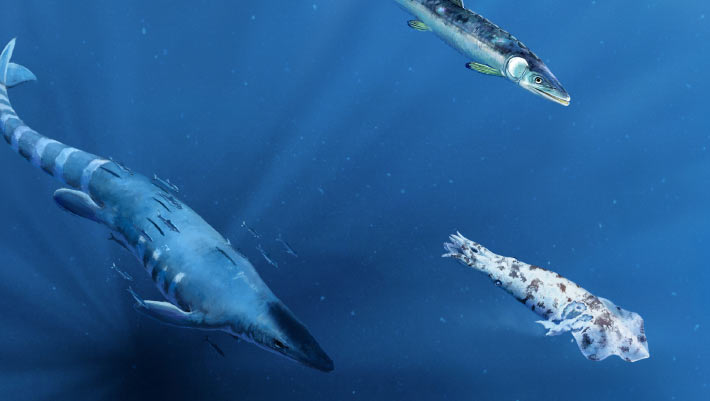
Life restoration of the mosasaurine mosasaurid Eremiasaurus, with unknown portions and soft tissues based primarily on Prognathodon and supplemented with Mosasaurus where needed.
References
Leblanc, A.R.H.; Caldwell, M.W.; Bardet, N. (2012). "A new mosasaurine from the Maastrichtian (Upper Cretaceous) phosphates of Morocco and its implications for mosasaurine systematics". Journal of Vertebrate Paleontology 32 (1): 82–104.
Lindgren, J.; Kaddumi, H.; Polcyn, M. (2013). "Soft tissue preservation in a fossil marine lizard with a bilobed tail fin". Nature Communications 4: 2423. DOI:10.1038/ncomms3423.
Konishi, T.; Brinkman, D.; Massare, J.A.; Caldwell, M.W. (2011). "New exceptional specimens of Prognathodon overtoni (Squamata, Mosasauridae) from the upper Campanian of Alberta, Canada, and the systematics and ecology of the genus". Journal of Vertebrate Paleontology 31 (5): 1026–1046.
Russell, D.A. (1967). "Systematics and morphology of American mosasaurs". Bulletin of the Peabody Museum of Natural History 23: 1–241.
Taxons Eremiasaurus

Life restoration of the mosasaurine mosasaurid Eremiasaurus, with unknown portions and soft tissues based primarily on Prognathodon and supplemented with Mosasaurus where needed. References Leblanc, A.R.H.; Caldwell, M.W.; Bardet, N. (2012). "A new mosasaurine from the Maastrichtian (Upper Cretaceous) phosphates of Morocco and its implications for mosasaurine systematics". Journal of Vertebrate Paleontology 32 (1): 82–104. Lindgren, J.; Kaddumi, H.; Polcyn, M. (2013). "Soft tissue preservation in a fossil marine lizard with a bilobed tail fin". Nature Communications 4: 2423. DOI:10.1038/ncomms3423. Konishi, T.; Brinkman, D.; Massare, J.A.; Caldwell, M.W. (2011). "New exceptional specimens of Prognathodon overtoni (Squamata, Mosasauridae) from the upper Campanian of Alberta, Canada, and the systematics and ecology of the genus". Journal of Vertebrate Paleontology 31 (5): 1026–1046. Russell, D.A. (1967). "Systematics and morphology of American mosasaurs". Bulletin of the Peabody Museum of Natural History 23: 1–241.

tissus écologie musée Canada +11
Exhibit in the Royal Ontario Museum, Toronto, Ontario, Canada. This exhibit is old enough so that it is in the public domain, and photography was permitted in the museum. I took this photograph and release it into the public domain.
Taxons Excalibosaurus

Exhibit in the Royal Ontario Museum, Toronto, Ontario, Canada. This exhibit is old enough so that it is in the public domain, and photography was permitted in the museum. I took this photograph and release it into the public domain.

musée Canada Excalibosaurus
Pittsburgh-2013-05-18-058

Pittsburgh-2013-05-18-058

Canada Diabloceratops
Puntledge River elasmosaur[1], Canadian Museum of Nature, Ottawa, Ontario, Canada

Puntledge River elasmosaur[1], Canadian Museum of Nature, Ottawa, Ontario, Canada

musée Canada Traskasaura
Dinos at Courtenay Museum -20090628-7

Dinos at Courtenay Museum -20090628-7

musée Canada Kourisodon
Buitreraptor displayed at the Royal Ontario Museum, Toronto, Canada.

Buitreraptor displayed at the Royal Ontario Museum, Toronto, Canada.

musée Canada Buitreraptor
Pelvis (fused ilia and pubes) of UALVP 48778, holotype of Hesperonychus elizabethae, from the late Campanian Dinosaur Park Formation of Alberta, Canada. Fossil collected by Dr. Elizabeth Nicholls. Prepared by Clive Coy. Digital photography by Nick Longrich. Additional digital editing by Nick Longrich.
Taxons Hesperonychus

Pelvis (fused ilia and pubes) of UALVP 48778, holotype of Hesperonychus elizabethae, from the late Campanian Dinosaur Park Formation of Alberta, Canada. Fossil collected by Dr. Elizabeth Nicholls. Prepared by Clive Coy. Digital photography by Nick Longrich. Additional digital editing by Nick Longrich.

bassin Canada Dinosaur Park Campanien +6
Fossil specimen RTMP 82.19.23 - A lacrimal, postorbitals, squamosals, frontals, parietals, and braincase referred to Latenivenatrix mcmasterae, but formerly assigned to Stenonychosaurus inequalis (=Troodon inequalis). Described by 

Currie, 1985. "Cranial anatomy of Stenonychosaurus inequalis (Saurischia, Theropoda) and its bearing on the origin of birds." Canadian Journal of Earth Sciences, 22(1), 643-658.
5d-dinosaur-camp-day2-20120802-15.jpg
Taxons Latenivenatrix

Fossil specimen RTMP 82.19.23 - A lacrimal, postorbitals, squamosals, frontals, parietals, and braincase referred to Latenivenatrix mcmasterae, but formerly assigned to Stenonychosaurus inequalis (=Troodon inequalis). Described by Currie, 1985. "Cranial anatomy of Stenonychosaurus inequalis (Saurischia, Theropoda) and its bearing on the origin of birds." Canadian Journal of Earth Sciences, 22(1), 643-658. 5d-dinosaur-camp-day2-20120802-15.jpg

Canada fossile spécimen Dinosauria +7
1 2 3

Actualités

Des fossiles vieux de 567 millions d’années réécrivent l’aube de la vie animale
Canada fossile découverte évolution
Un site fossilifère spectaculaire au Canada contient des créatures vieilles de 567 millions d'années qui pourraient représenter certains des premiers animaux à se déplacer, à se reproduire sexuellement et à développer des plans corporels reconnaissables. La découverte repousse les étapes clés de l’évolution jusqu’à 10 millions d’années et suggère qu’une vie animale complexe pourrait avoir prospéré pour la première fois dans les profondeurs de l’océan.
06/08/2026 sciencedaily ⚙ Traduction automatique
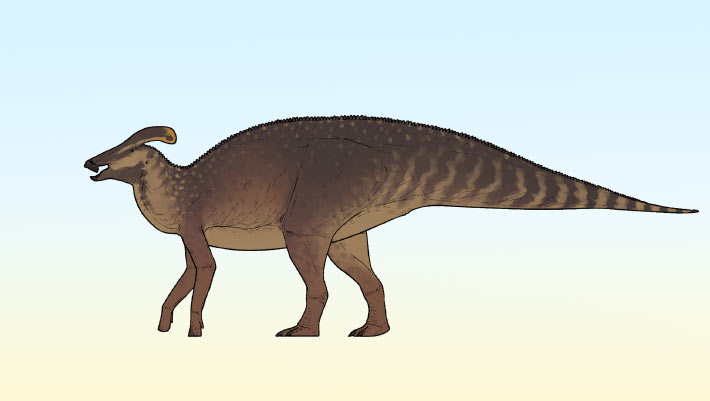
New Crested Dinosaur Species Identified in Canada
De nouvelles espèces de dinosaures à crête identifiées au Canada
crête Canada Campanien Crétacé Dinosauria Hadrosauridae datation nouvelle espèce
Un nouveau genre et une nouvelle espèce de dinosaure hadrosauridé lambéosaurine ont été identifiés dans le sud de l'Alberta, au Canada, remontant à 77 millions d'années, à l'âge campanien du Crétacé. L'article Nouvelles espèces de dinosaures à crête identifiées au Canada apparaît en premier sur Sci.News : Breaking Science News.
14/07/2026 sci-news ⚙ Traduction automatique
Description d'un fossile de dinosaure rare du groupe de Nanaimo du Crétacé supérieur
os vertèbre description Canada Colombie Crétacé Crétacé supérieur fossile Dinosauria Ornithomimosauria
Les chercheurs ont décrit une seule vertèbre caudale de dinosaure (coccyx) de l'île Denman (Colombie-Britannique, Canada).  Il a été identifié comme une vertèbre caudale d'ornithomimosaure. Le fossile, censé représenter un os de la partie médiane de la queue, n'est que le deuxième fossile de dinosaure identifié dans le groupe de Nanaimo du Crétacé supérieur. De plus, il
10/06/2026 everythingdinosaur ⚙ Traduction automatique
Leptoceratops: Beast of the Week
Leptocératops : la bête de la semaine
membre Canada Crétacé Crétacé supérieur Ceratopsia Dinosauria Leptoceratops
 Aujourd'hui, nous allons nous intéresser au petit dinosaure cératopsien, Leptoceratops gracilis ! Leptoceratops était un dinosaure cératopsien herbivore qui vivait dans ce qui est aujourd'hui l'Alberta, au Canada, à la fin du Crétacé, il y a entre 68 et 66 millions d'années.  Du bec à la queue, il mesurait environ 6,5 pieds (environ 2 m) et aurait pu marcher sur quatre ou deux membres de son vivant. Le nom du genre se traduit par « petit visage cornu ». Reconstitution de la vie du Leptoceratops à l'aquarelle par Christopher DiPiazza.L
08/06/2026 prehistoricbeastoftheweek ⚙ Traduction automatique
490-Million-Year-Old Arthropod Fossil Fills Puzzling Gap in Fossil Record
Un fossile d'arthropode vieux de 490 millions d'années comble une lacune déroutante dans les archives fossiles
Canada Cambrien Furongien fossile spécimen nouvelle espèce
Une nouvelle espèce d'arthropode corcoraniidé ayant vécu à l'époque furongienne, il y a entre 497 et 487 millions d'années, a été identifiée à partir d'un spécimen exceptionnellement préservé trouvé près de Québec, au Canada. L'article Un fossile d'arthropode vieux de 490 millions d'années comble une lacune déroutante dans les archives fossiles est apparu en premier sur Sci.News : Breaking Science News.
29/05/2026 sci-news ⚙ Traduction automatique
1 2