←

Cretaceous

Geological interval

163 image(s) · 58 News

View page

Image gallery

Holotype of Alcione elainus.
Fig. 6 of:
Longrich, N. R., Martill, D. M., & Andres, B. (2018). Late Maastrichtian pterosaurs from North Africa and mass extinction of Pterosauria at the Cretaceous-Paleogene boundary. PLoS biology, 16(3), e2001663.
---
Original figure legend:
A. elainus FSAC-OB 2, holotype partial skeleton and FSAC-OB 217, metacarpal IV.

(A) Holotype right humerus in anterior view, (B) holotype right ulna and radius in anterior view, respectively, (C) holotype sternum in left lateral view, (D) referred metacarpal IV, (E) holotype, distal end of left metacarpal IV and left scapulocoracoid, and (F) holotype right femur in posterior view. Abbreviations: co, coracoid; cr, cristospine; dc, distal condyle; dpc, deltopectoral crest; ect, ectepicondyle; fh, femoral head; gl, glenoid; gt, greater trochanter; hh, humeral head; hum, humerus; mcIV, metacarpal IV, pc, proximal cotyle; pf, pneumatic foramen; rad, radius; scpr, supracondylar process; ste, sternum; uln, ulna.
Taxa Alcione

Holotype of Alcione elainus. Fig. 6 of: Longrich, N. R., Martill, D. M., & Andres, B. (2018). Late Maastrichtian pterosaurs from North Africa and mass extinction of Pterosauria at the Cretaceous-Paleogene boundary. PLoS biology, 16(3), e2001663. --- Original figure legend: A. elainus FSAC-OB 2, holotype partial skeleton and FSAC-OB 217, metacarpal IV. (A) Holotype right humerus in anterior view, (B) holotype right ulna and radius in anterior view, respectively, (C) holotype sternum in left lateral view, (D) referred metacarpal IV, (E) holotype, distal end of left metacarpal IV and left scapulocoracoid, and (F) holotype right femur in posterior view. Abbreviations: co, coracoid; cr, cristospine; dc, distal condyle; dpc, deltopectoral crest; ect, ectepicondyle; fh, femoral head; gl, glenoid; gt, greater trochanter; hh, humeral head; hum, humerus; mcIV, metacarpal IV, pc, proximal cotyle; pf, pneumatic foramen; rad, radius; scpr, supracondylar process; ste, sternum; uln, ulna.

crest humerus Cretaceous Maastrichtian +7
Illustration of a juvenile Tyrannosaurus rex.
Most of this restoration is mostly inspired from the models of 1-year old Tyrannosaurus from the exhibition "T.rex: The Ultimate Predator" at American Museum of Natural History, New York (2019-2021).[1]
[2] and the juvenile Tarbosaurus MPC-D 107/7 (2-3 years old at death).[3]

References

↑ [1]

↑ [2]

↑ Tsuihiji T et.al (2011). "Cranial osteology of a juvenile specimen of Tarbosaurus bataar (Theropoda, Tyrannosauridae) from the Nemegt Formation (Upper Cretaceous) of Bugin Tsav, Mongolia". Journal of Vertebrate Paleontology 31(3): p. 497-517

Illustration of a juvenile Tyrannosaurus rex. Most of this restoration is mostly inspired from the models of 1-year old Tyrannosaurus from the exhibition "T.rex: The Ultimate Predator" at American Museum of Natural History, New York (2019-2021).[1] [2] and the juvenile Tarbosaurus MPC-D 107/7 (2-3 years old at death).[3] References ↑ [1] ↑ [2] ↑ Tsuihiji T et.al (2011). "Cranial osteology of a juvenile specimen of Tarbosaurus bataar (Theropoda, Tyrannosauridae) from the Nemegt Formation (Upper Cretaceous) of Bugin Tsav, Mongolia". Journal of Vertebrate Paleontology 31(3): p. 497-517

predator museum Mongolia Cretaceous +8
Majungasaurus crenatissimus, an abelisaur from the Late Cretaceous of Madagascar, pencil drawing
Taxa Majungasaurini

Majungasaurus crenatissimus, an abelisaur from the Late Cretaceous of Madagascar, pencil drawing

drawing Madagascar Cretaceous Late Cretaceous +4
Reconstructed skeleton of the indeterminate Moroccan Cretaceous plioplatecarpine (Mosasauridae: Plioplatecarpinae) NMNS005676 F043103, possibly Gavialimimus almaghribensis or an unnamed species (according to Yang, 2022). A collection of the National Museum of Natural Science (Taichung, Taiwan), the specimen was on display in the National Taiwan Museum during a special exhibition.
Taxa Gavialimimus

Reconstructed skeleton of the indeterminate Moroccan Cretaceous plioplatecarpine (Mosasauridae: Plioplatecarpinae) NMNS005676 F043103, possibly Gavialimimus almaghribensis or an unnamed species (according to Yang, 2022). A collection of the National Museum of Natural Science (Taichung, Taiwan), the specimen was on display in the National Taiwan Museum during a special exhibition.

museum Taiwan Cretaceous specimen +6
Amargasaurus lived in the  Cretaceous Period, about 100 million years ago.Photo taken in Museum of Victoria (Melbourne, Victoria, Australia)
Taxa Dicraeosauridae

Amargasaurus lived in the Cretaceous Period, about 100 million years ago.Photo taken in Museum of Victoria (Melbourne, Victoria, Australia)

museum Australia Cretaceous Amargasaurus +2
Amargasaurus lived in the  Cretaceous Period, about 100 million years ago.Photo taken in Museum of Victoria (Melbourne, Victoria, Australia)
Taxa Dicraeosaurinae

Amargasaurus lived in the Cretaceous Period, about 100 million years ago.Photo taken in Museum of Victoria (Melbourne, Victoria, Australia)

museum Australia Cretaceous Amargasaurus +2
The saltasaurine sauropod Neuquensaurus australis, from the Anacleto Formation (Upper Cretaceous), Patagonia, Argentina. Restoration of the skeleton mounted at the Museo de La Plata, Argentina.
Taxa Saltasauroidea

The saltasaurine sauropod Neuquensaurus australis, from the Anacleto Formation (Upper Cretaceous), Patagonia, Argentina. Restoration of the skeleton mounted at the Museo de La Plata, Argentina.

Argentina Anacleto Cretaceous Lohuecosauria +4
The saltasaurine sauropod Neuquensaurus australis, from the Anacleto Formation (Upper Cretaceous), Patagonia, Argentina. Restoration of the skeleton mounted at the Museo de La Plata, Argentina.
Taxa Lohuecosauria

The saltasaurine sauropod Neuquensaurus australis, from the Anacleto Formation (Upper Cretaceous), Patagonia, Argentina. Restoration of the skeleton mounted at the Museo de La Plata, Argentina.

Argentina Anacleto Cretaceous Lohuecosauria +4
Chasmosaurus belli ROM 843, Royal Tyrrell Museum of Paleontology. Late Cretaceous 75-74.5 millions years ago. Found at Dinosaur Provincial Park, Alberta, and prepared at the Royal Tyrrell Museum of Paleontology, Drumheller, Alberta.
Taxa Chasmosaurinae

Chasmosaurus belli ROM 843, Royal Tyrrell Museum of Paleontology. Late Cretaceous 75-74.5 millions years ago. Found at Dinosaur Provincial Park, Alberta, and prepared at the Royal Tyrrell Museum of Paleontology, Drumheller, Alberta.

museum Canada Cretaceous Late Cretaceous +5
Chasmosaurus belli ROM 843, Royal Tyrrell Museum of Paleontology. Late Cretaceous 75-74.5 millions years ago. Found at Dinosaur Provincial Park, Alberta, and prepared at the Royal Tyrrell Museum of Paleontology, Drumheller, Alberta.
Taxa Triceratopsini

Chasmosaurus belli ROM 843, Royal Tyrrell Museum of Paleontology. Late Cretaceous 75-74.5 millions years ago. Found at Dinosaur Provincial Park, Alberta, and prepared at the Royal Tyrrell Museum of Paleontology, Drumheller, Alberta.

museum Canada Cretaceous Late Cretaceous +5
Saltasaurus (which means "lizard from Salta") was a sauropod dinosaur of the Late Cretaceous Period. Relatively small among sauropods, though still massive by human standards, it was characterized by a diplodocid-like head
Taxa Saltasaurus

Saltasaurus (which means "lizard from Salta") was a sauropod dinosaur of the Late Cretaceous Period. Relatively small among sauropods, though still massive by human standards, it was characterized by a diplodocid-like head

Cretaceous Late Cretaceous Balochisauridae Dinosauria +7
Saltasaurus (which means "lizard from Salta") was a sauropod dinosaur of the Late Cretaceous Period. Relatively small among sauropods, though still massive by human standards, it was characterized by a diplodocid-like head
Taxa Lithostrotia

Saltasaurus (which means "lizard from Salta") was a sauropod dinosaur of the Late Cretaceous Period. Relatively small among sauropods, though still massive by human standards, it was characterized by a diplodocid-like head

Cretaceous Late Cretaceous Balochisauridae Dinosauria +7
Saltasaurus (which means "lizard from Salta") was a sauropod dinosaur of the Late Cretaceous Period. Relatively small among sauropods, though still massive by human standards, it was characterized by a diplodocid-like head
Taxa Titanosauridae

Saltasaurus (which means "lizard from Salta") was a sauropod dinosaur of the Late Cretaceous Period. Relatively small among sauropods, though still massive by human standards, it was characterized by a diplodocid-like head

Cretaceous Late Cretaceous Balochisauridae Dinosauria +7
Saltasaurus (which means "lizard from Salta") was a sauropod dinosaur of the Late Cretaceous Period. Relatively small among sauropods, though still massive by human standards, it was characterized by a diplodocid-like head
Taxa Saltasauridae

Saltasaurus (which means "lizard from Salta") was a sauropod dinosaur of the Late Cretaceous Period. Relatively small among sauropods, though still massive by human standards, it was characterized by a diplodocid-like head

Cretaceous Late Cretaceous Balochisauridae Dinosauria +7
Saltasaurus (which means "lizard from Salta") was a sauropod dinosaur of the Late Cretaceous Period. Relatively small among sauropods, though still massive by human standards, it was characterized by a diplodocid-like head
Taxa Saltasaurinae

Saltasaurus (which means "lizard from Salta") was a sauropod dinosaur of the Late Cretaceous Period. Relatively small among sauropods, though still massive by human standards, it was characterized by a diplodocid-like head

Cretaceous Late Cretaceous Balochisauridae Dinosauria +7
Saltasaurus (which means "lizard from Salta") was a sauropod dinosaur of the Late Cretaceous Period. Relatively small among sauropods, though still massive by human standards, it was characterized by a diplodocid-like head
Taxa Balochisauridae

Saltasaurus (which means "lizard from Salta") was a sauropod dinosaur of the Late Cretaceous Period. Relatively small among sauropods, though still massive by human standards, it was characterized by a diplodocid-like head

Cretaceous Late Cretaceous Balochisauridae Dinosauria +7
1 2 3 4 5 6 7 8 9 10 11

News

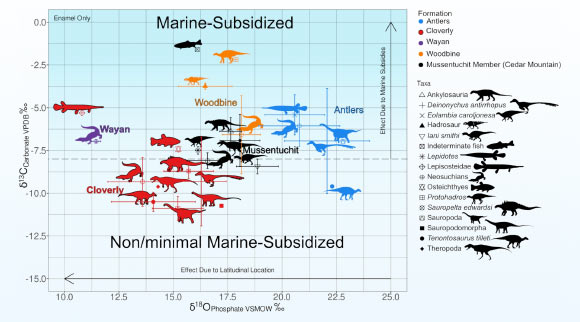
Dinosaurs May Have Dined on Seaweed, Study Suggests
Cretaceous fossil Dinosauria isotope study
Paleontologists studying Cretaceous fossils have repeatedly found that the teeth of many ancient animals contain more of a heavier carbon isotope, carbon-13, than their presumed plant-based diets would predict. The post Dinosaurs May Have Dined on Seaweed, Study Suggests appeared first on Sci.News: Breaking Science News.
01/10/2026 sci-news
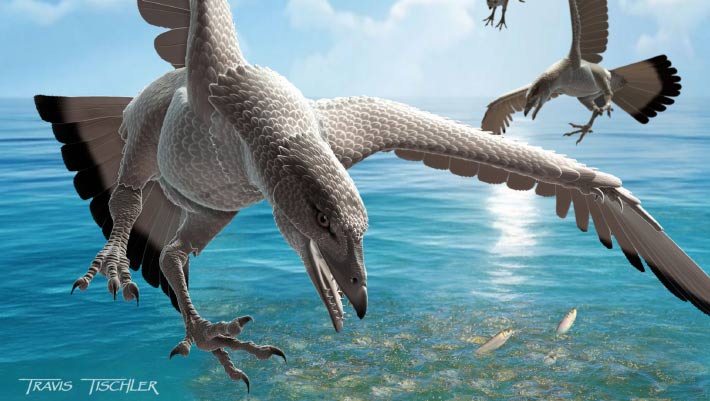
New Enantiornithine Bird Joins Australia’s Sparse Fossil Record
Australia Cretaceous fossil bird
Tenuicruris piscanexum is only the second Cretaceous bird species named from the Australian continent. The post New Enantiornithine Bird Joins Australia’s Sparse Fossil Record appeared first on Sci.News: Breaking Science News.
30/09/2026 sci-news
Scientists were wrong about this strange mammal for nearly 40 years
Mongolia Cretaceous fossil mammals
A beautifully preserved fossil from Mongolia’s Gobi Desert has solved a mystery that puzzled paleontologists for nearly 40 years. Tamirkhan balcarceli shows that zhelestids were not early relatives of modern placental mammals, despite having teeth that seemed to suggest they were. Instead, the rabbit-like animal belonged to a separate lineage of small Cretaceous mammals.
28/09/2026 sciencedaily
Garudimimus: Beast of the Week
Mongolia Cretaceous Dinosauria Garudimimus bird evolution
This week we're checking out a feathered dinosaur that helps us understand the evolution of the "bird mimic" family of dinosaurs.  Enter Garudimimus brevipes!Garudimimus was a theropod dinosaur that lived in what is now Mongolia during the Cretaceous period, between 96 and 89 million years ago.  From beak to tail it would have measured about 11.5 feet (3.5 meters) long and it likely would have been an omnivore when alive.  The genus name translates to "Garuda Mimic", in reference to Garuda, the
27/09/2026 prehistoricbeastoftheweek
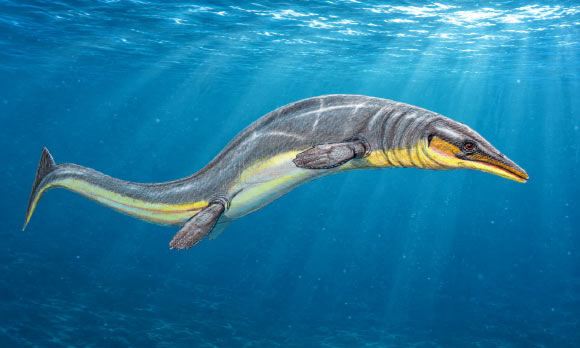
Paleontologists Uncover New Mosasaur Species in Egypt’s Western Desert
Egypt Cretaceous fossil Dinosauria Halisaurus
Paleontologists have described a previously unknown species of mosasaur -- a group of extinct marine reptiles that patrolled Cretaceous seas alongside dinosaurs on land -- based on fossils unearthed in Egypt’s Dakhla Oasis. The post Paleontologists Uncover New Mosasaur Species in Egypt’s Western Desert appeared first on Sci.News: Breaking Science News.
16/09/2026 sci-news
1 2 3 4 5 6 7 8 9 10 11 12